Q&A: 10 Questions About Fat Biking
Some of the links below are affiliate links, meaning we earn a commission on products or services you buy through them. There is no extra cost to you, and your support helps keep this website active.
Fat biking has gone from a niche winter curiosity to one of the fastest-growing outdoor activities in Ontario. You’ve likely seen riders floating over snow-covered trails, grinding along frozen lakes, or rolling past you on wide tires that look better suited to a beach than a bike path.
If you’ve ever wondered, “Is that really for me?”, you’re not alone.
We hear the same questions over and over from people considering fat biking for the first time. So let’s break it down, no hype, no gatekeeping, just honest answers from the trail.
1. Do You Need a Fat Bike to Ride in the Winter?
No, but it helps.
You can ride winter trails on a mountain bike with aggressive tires, especially in low-snow conditions. But once the snow gets deeper, softer, or inconsistent, fat bikes come into their own.
Those wide tires:
Float over snow instead of sinking in
Offer traction where regular tires spin out
Make winter riding feel playful instead of punishing
Bottom line:
You don’t need a fat bike to ride in winter, but if winter riding is your goal, it’s the most fun and forgiving option.
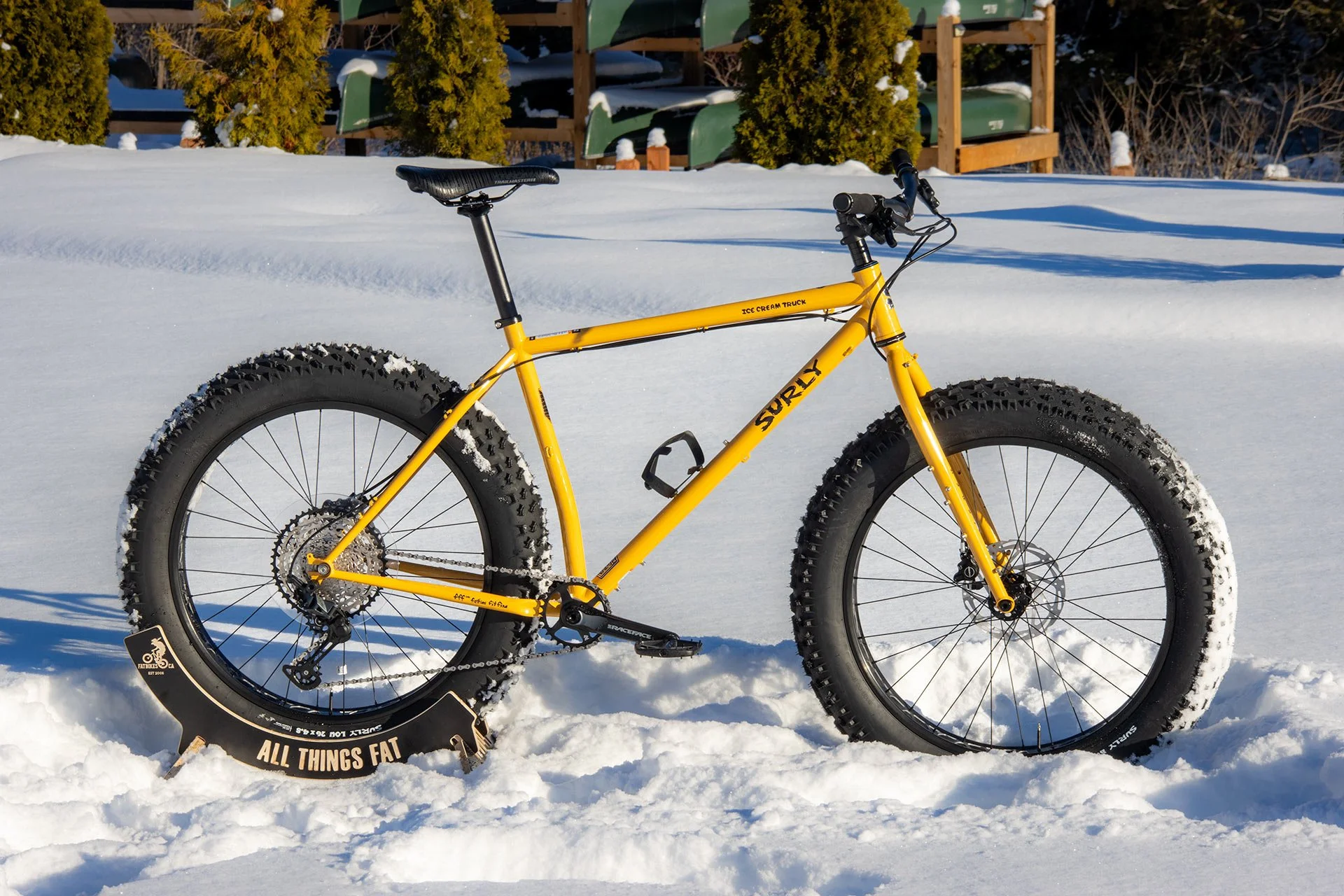
Like all sporting gear, equipment is available at various price points. This is my Surly Ice Cream Truck, which I consider a mid-range setup in terms of cost.
2. Are Fat Bikes Expensive?
They can be, but they don’t have to be.
Entry-level fat bikes are often priced similarly to mid-range mountain bikes. You can find capable, trail-ready models without high-end components that still provide a fantastic experience. The used bike market is an excellent place to get the most value when purchasing a used fat bike.
Things that affect cost:
Frame material (aluminum vs carbon)
Drivetrain (simple 1x systems are common)
Wheel and tire quality
Suspension (if included)
The good news? Fat bikes don’t need cutting-edge tech to be enjoyable.
Bottom line:
Fat biking doesn’t require a top-tier bike. Many affordable models are tough, simple, and perfect for winter riding.
Fat biking, especially on a well-groomed trail, could be the most enjoyable experience you have on a bicycle.
3. Are Fat Bikes Fun?
Absolutely, and that’s the real hook.
Fat biking isn’t about speed or Strava times. It’s about:
Quiet winter trails
Snow-covered forests
Grinning through conditions you’d normally avoid
Turning “bad weather” into an excuse to ride
There’s something deeply satisfying about riding where others walk, floating where others sink, and discovering winter landscapes from a whole new perspective.
Bottom line:
Fat biking brings back the joy of riding for the sake of riding.
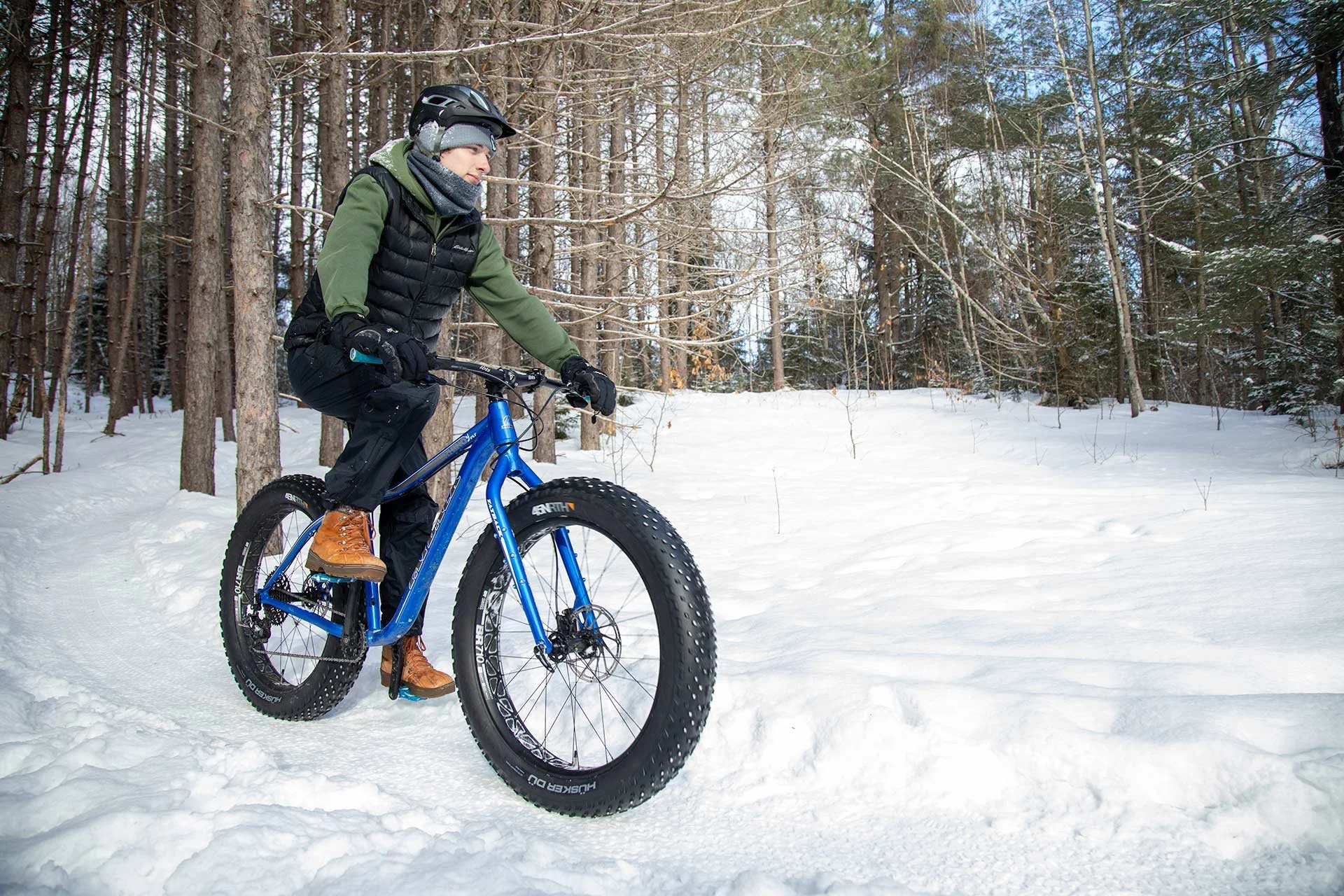
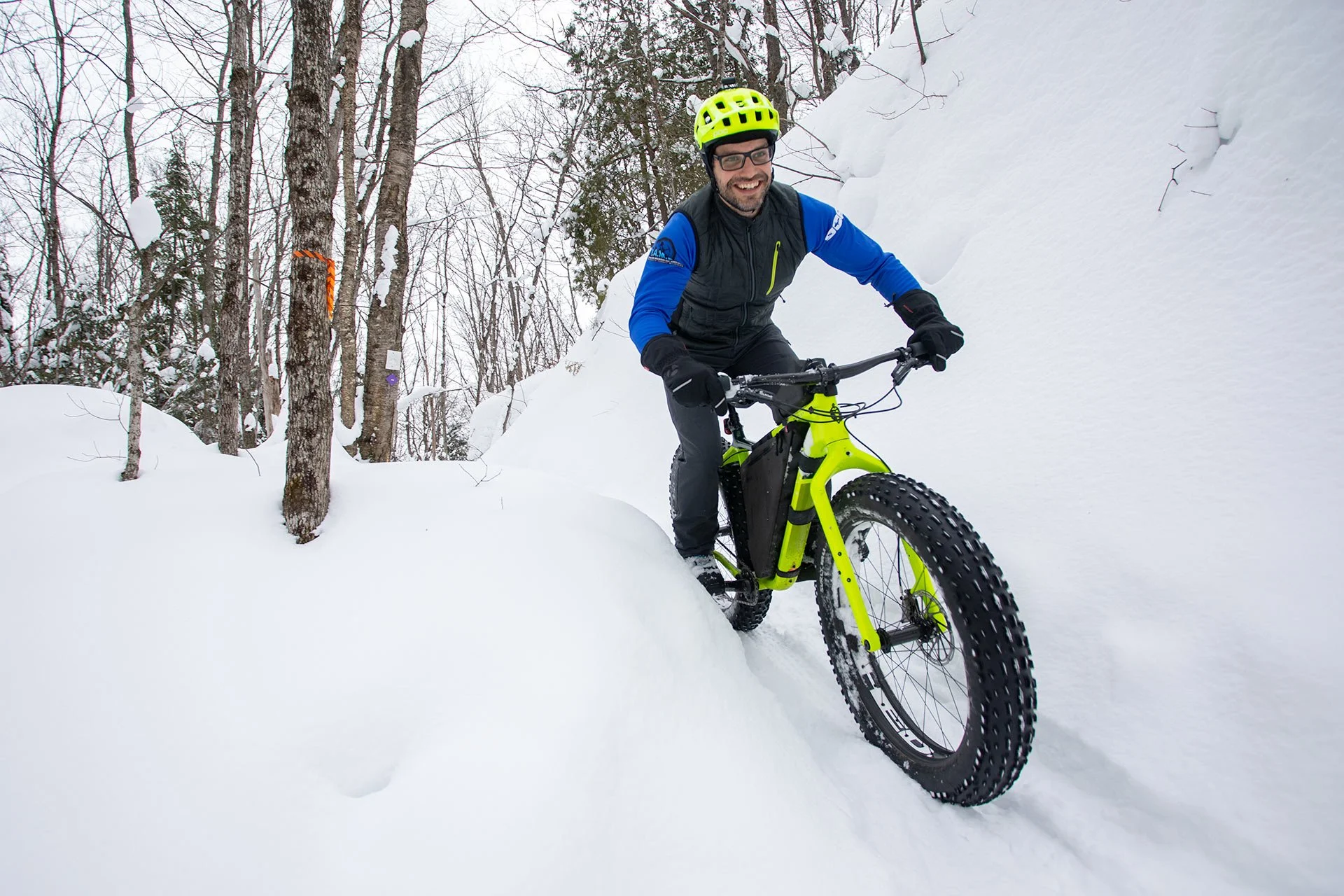
The only fat bike-specific gear shown in this photo is the bike and helmet, which you can rent if you want to try fat biking. The rest of the gear you'll need, you probably already have in your closet. For more on dressing for fat biking, read our blog post - What to Wear for Fat Biking in Ontario’s Freezing Temperatures
4. Do You Need Special Gear for Fat Biking?
You don’t need much, just smart layering.
Key gear basics:
Insulated cycling shoes or winter boots
Warm gloves or pogies
Windproof jacket
Thermal base layers
Neck gaiter or balaclava
You don’t need expensive winter-specific cycling clothing to start. Many riders adapt gear they already own from skiing, hiking, or snowshoeing.
Bottom line:
You need warm, breathable layers, not a whole new wardrobe.
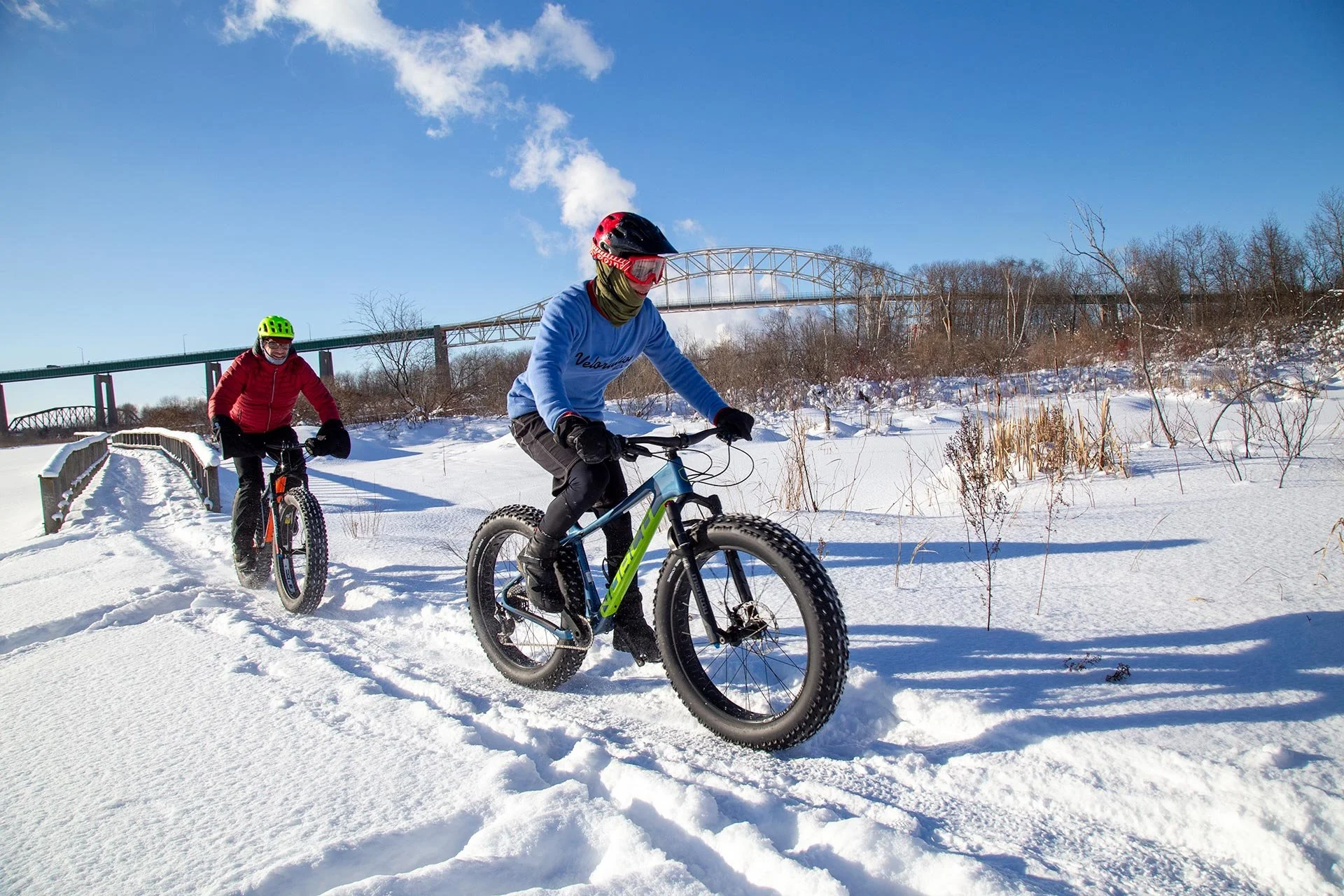
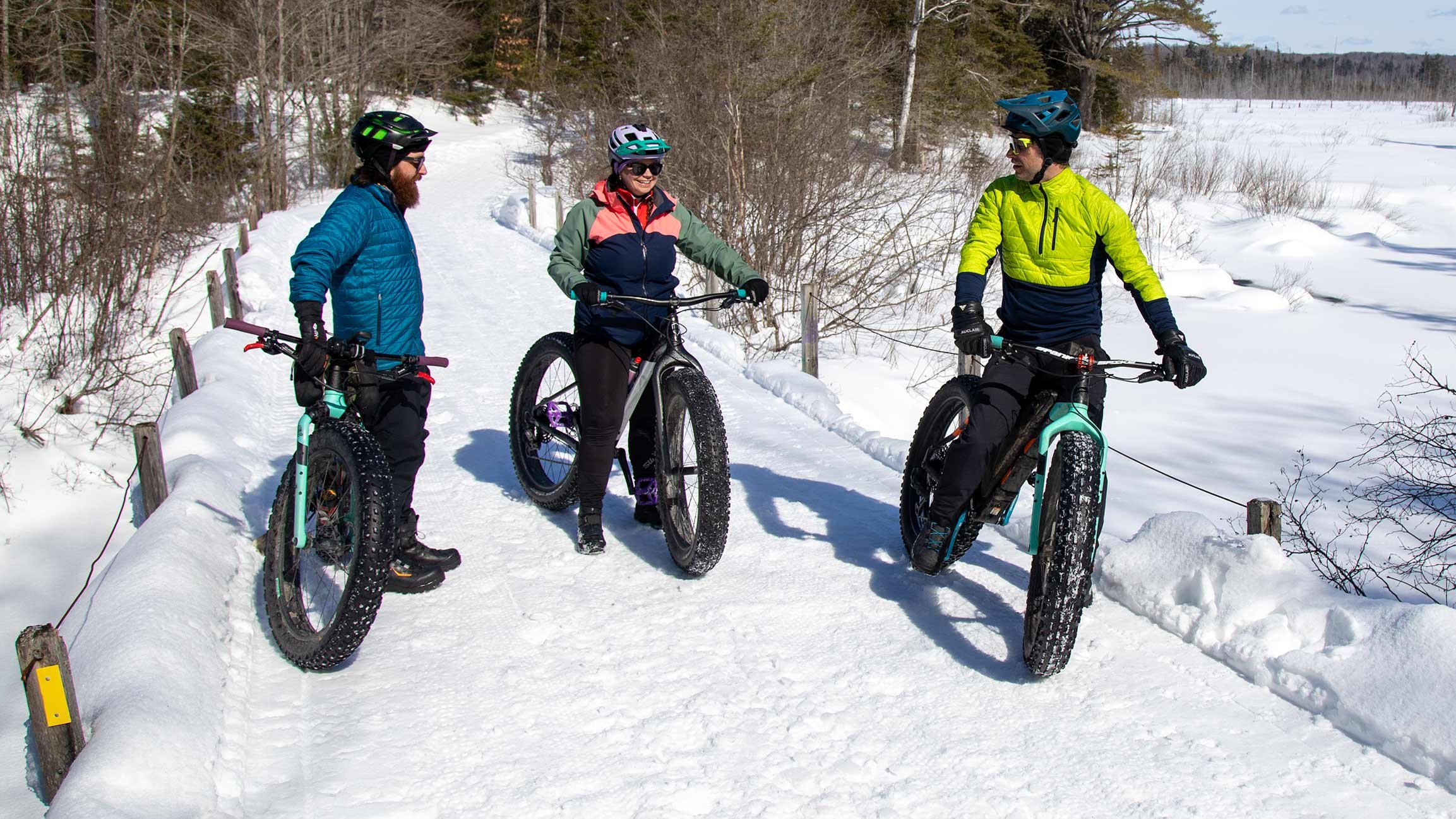
This photo was taken on a -26C day in Sault Ste. Marie, Ontario. Not a day for hanging out and chatting, but with the right gear and keeping active, any day can be a good day for a fat bike ride.
Related reading - All You Need to Know Guide to Fat Biking Sault Ste. Marie, Ontario
5. Will You Be Cold Fat Biking?
Surprisingly - no.
Fat biking generates heat quickly, especially on snow. Most riders struggle more with overheating than freezing once they get moving.
The trick is:
Start slightly cool
Avoid overdressing
Block wind but allow moisture to escape
Hands and feet are usually the cold spots, so prioritize them.
Bottom line:
Dress right, keep moving, and fat biking is comfortably warm, even on cold days.
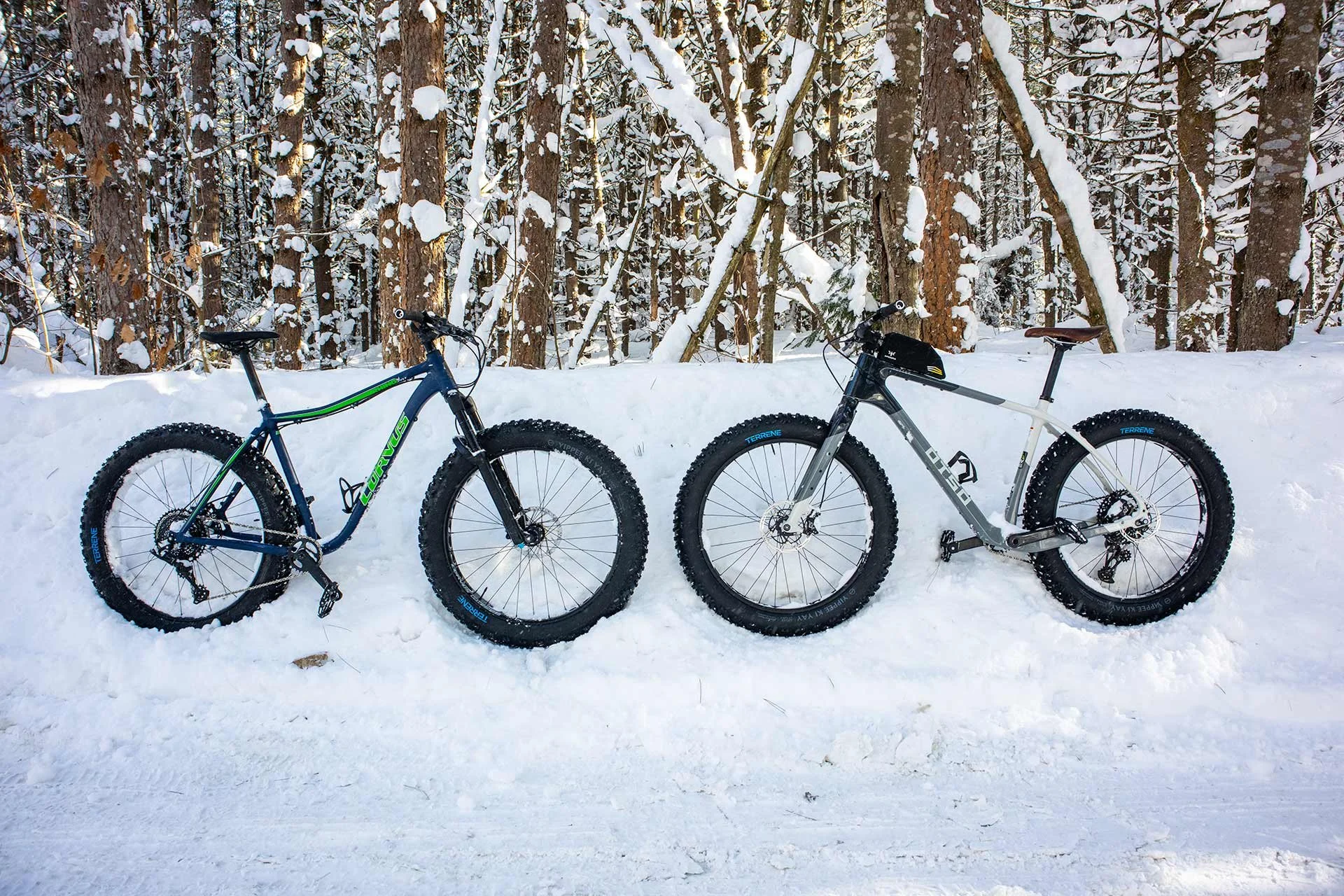
If you ride on fresh snow or groomed snow trails, a fat bike suspension fork will not affect the fun factor. If you ride your fat bike year-round or live where snow coverage is limited, a suspension fork might be a good upgrade.
6. Do You Need a Suspension Fork?
Short answer: No.
One of the surprises for new fat bikers is how forgiving a rigid fat bike feels. Those massive tires, usually run at very low pressure, act like built-in suspension. On packed snow, groomed trails, and even bumpy frozen terrain, the ride is surprisingly smooth.
That said, suspension forks do exist for fat bikes and can add comfort on rough, rutted trails or for riders with joint issues. But they also add cost, weight, and complexity.
Bottom line:
For most riders, especially beginners, a rigid fat bike is more than enough, and often preferred for its simplicity and reliability in winter conditions.
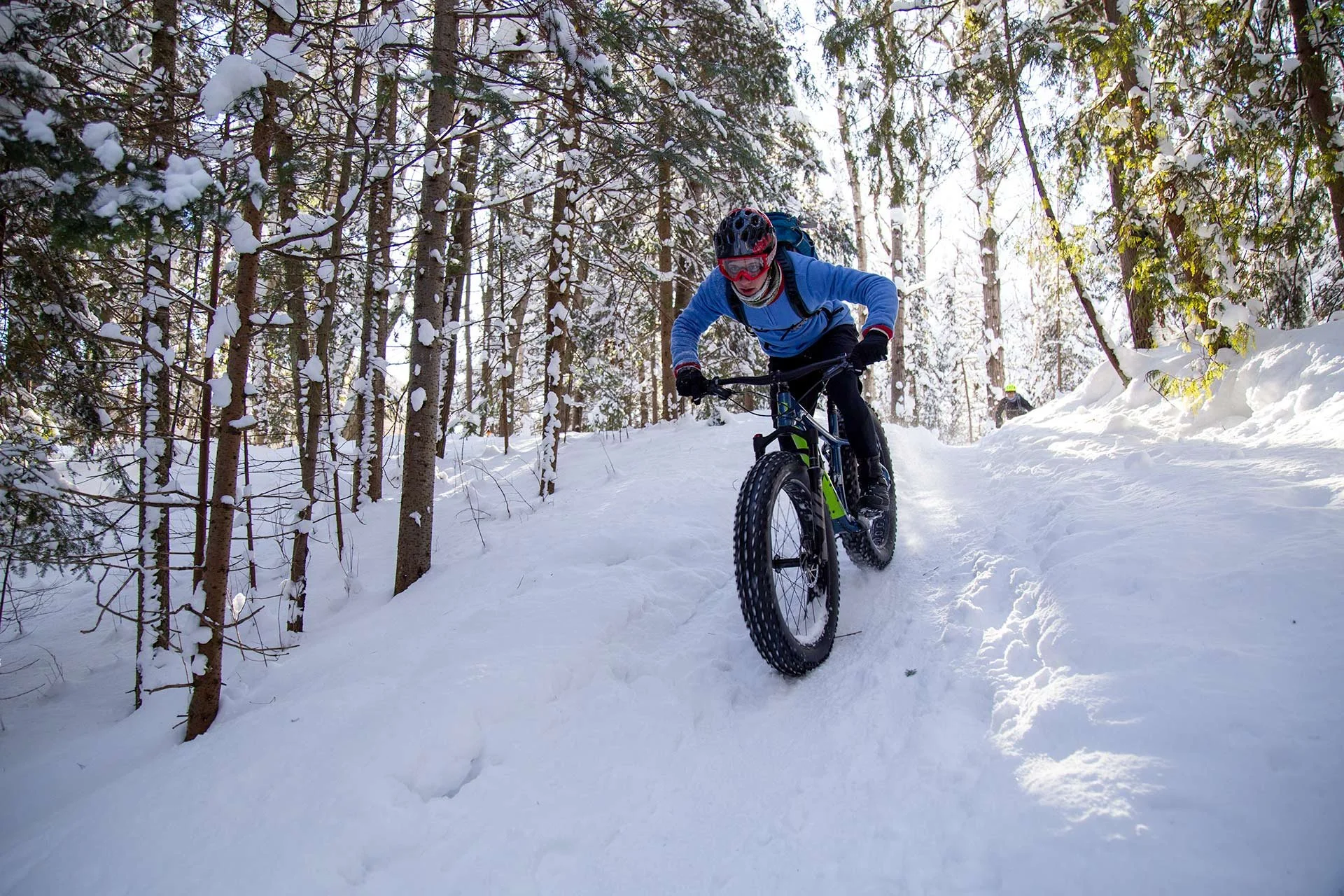
Personally, I have never owned a stud fat bike tire, but I have ridden bikes with studded tires. If you are committed to riding regardless of conditions or frequently encounter icy trails, then yes, stud tires are game-changers.
7. Do You Need Studded Tires?
Not always, but sometimes they’re a game-changer.
Studded tires shine on:
Ice-covered trails
Freeze-thaw conditions
Groomed routes with exposed glare ice
Lake riding or icy rail trails
If you’re riding mostly on soft snow, packed trails, or fresh groom, non-studded tires work just fine.
Many riders start without studs and add them later once they know where and how they like to ride.
Bottom line:
Studs aren’t mandatory, but if you ride icy trails regularly, they’ll boost confidence and safety.
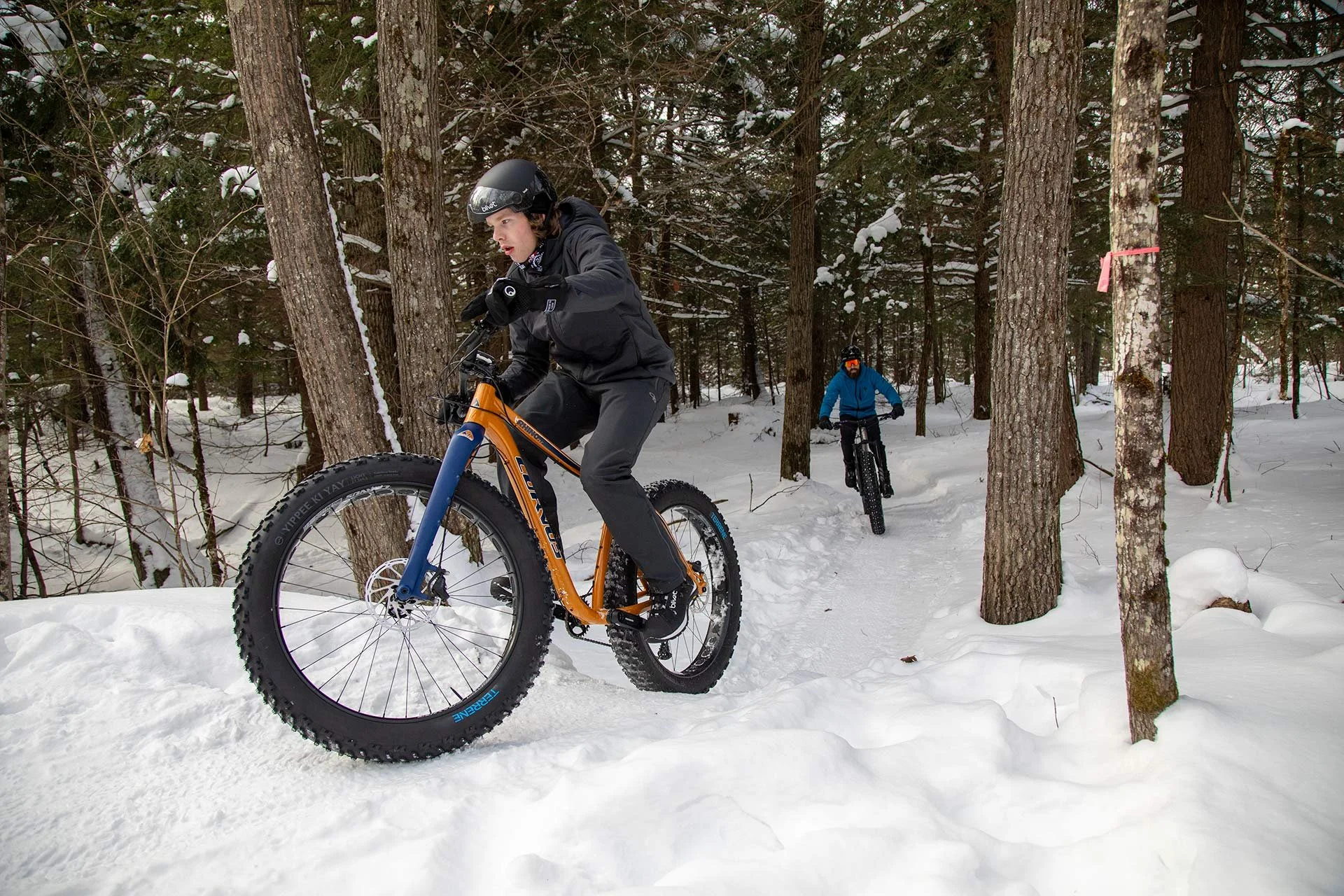
Fat biking presents similar challenges as any other bike, mostly depending on your fitness level. In terms of riding skills, fat biking can be easy on groomed, firm trails or more difficult in soft or deep snow.
8. Is Fat Biking Hard?
It’s different, but not harder.
Fat biking requires:
A steadier cadence
Smooth pedaling
Accepting slower speeds
But it’s also more forgiving. Falls tend to be softer. Balance improves quickly. And you don’t need explosive power to enjoy it.
Many riders over 50 find fat biking easier on joints than running or even hiking in winter.
Bottom line:
It’s a workout, but an approachable one that builds fitness naturally.

What I enjoy most about fat biking is the ability to make even a local park a fun ride. That said, riding a fat bike on a perfectly groomed snow trail is one of the most fun you will have on two wheels.
9. Do You Need Special Trails for Fat Biking?
No… but.
Fat bikes are welcome on:
Groomed winter trails
Shared-use paths
Forest access roads
Frozen lakes
Local parks
Many Ontario trail systems are now groomed specifically for fat bikes, making access easier than ever.
Bottom line:
You don’t need special trails, but you do need to ride responsibly.
Related reading - The Ultimate Guide to Fat Biking in Ontario's Winter Wonderland
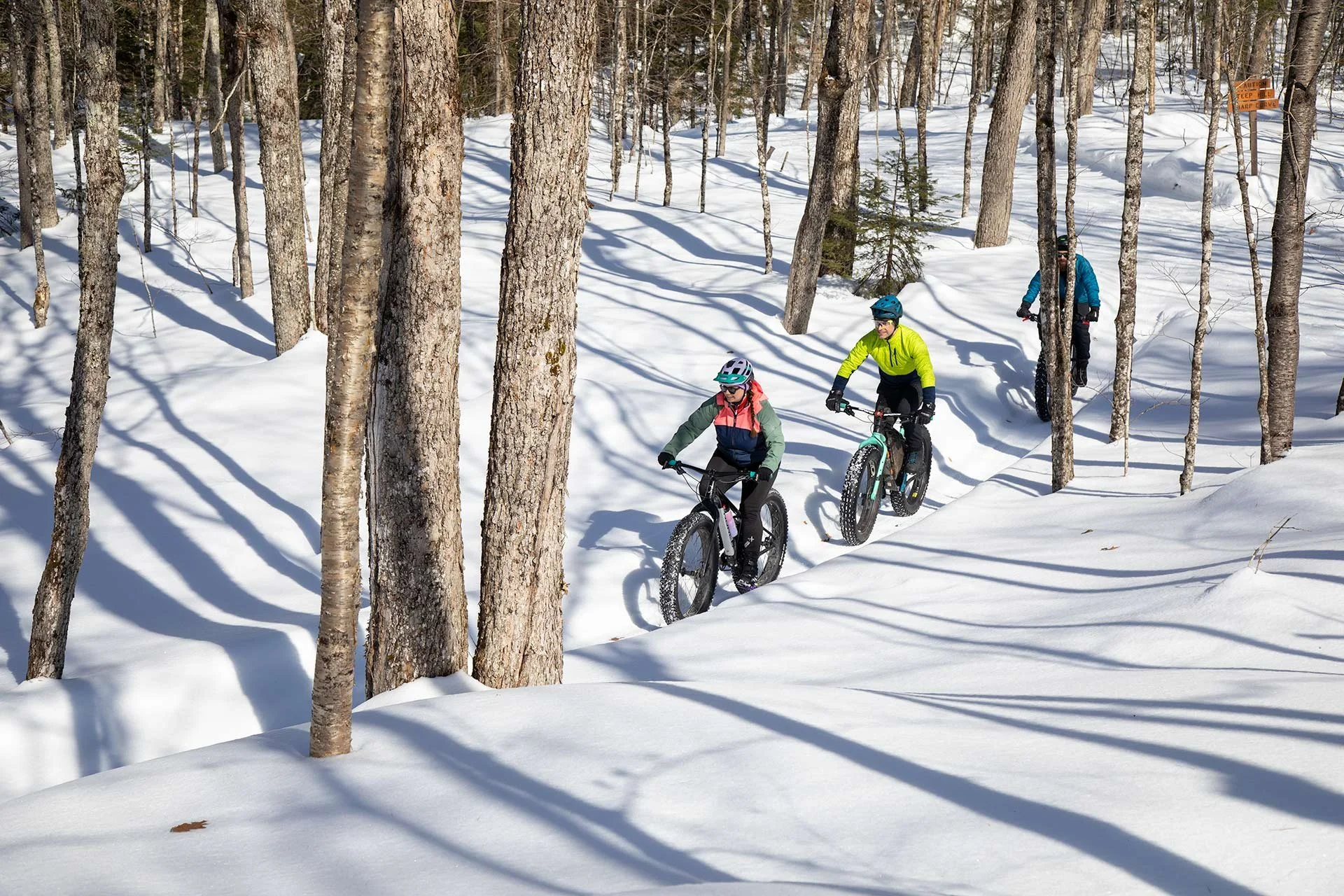
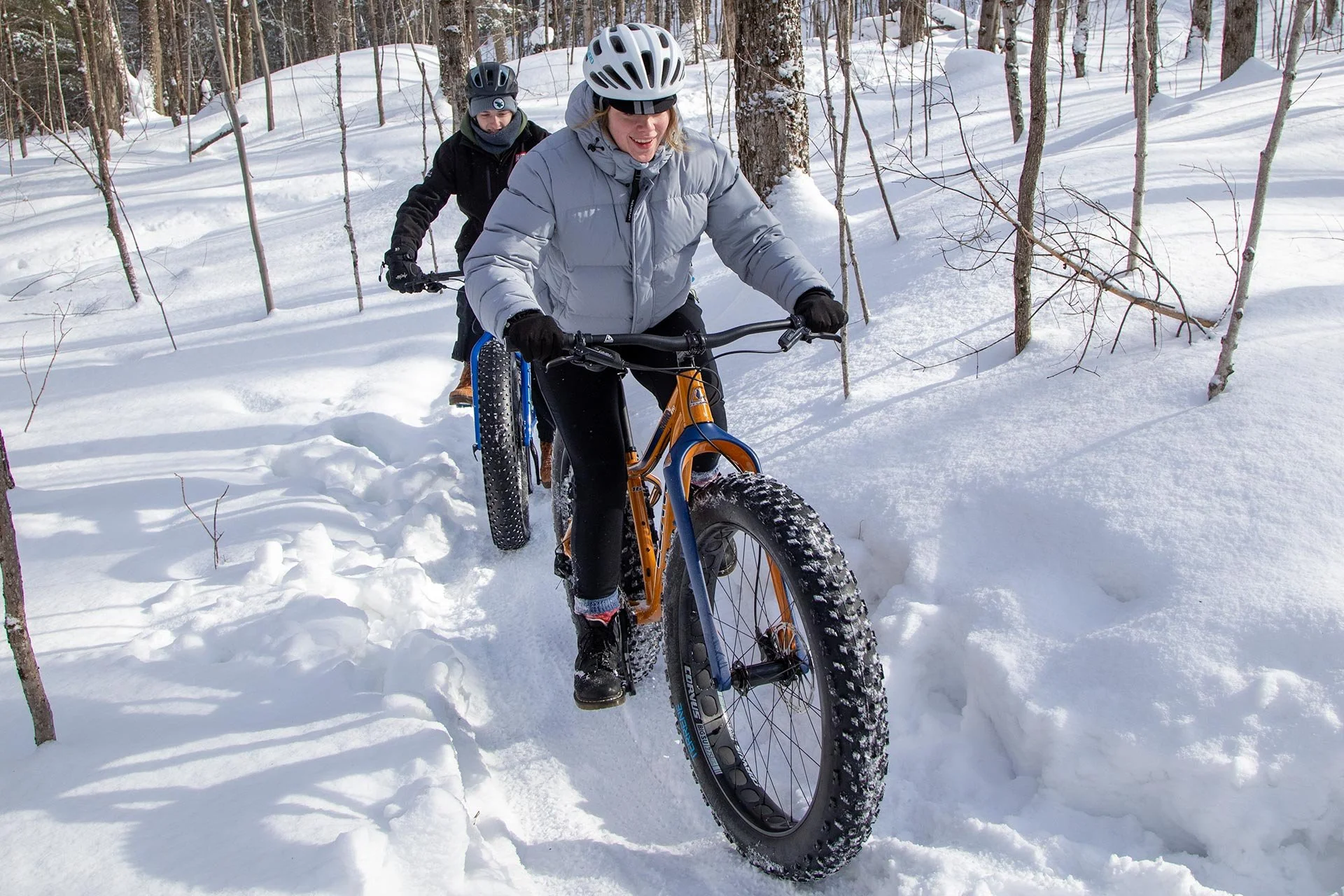
Friends, bikes and snowy trails, you've got to love winter.
10. Why Should I Try Fat Biking?
Because winter doesn’t have to be a season of waiting.
Fat biking:
Keeps you active year-round
Extends your cycling season
Opens new landscapes
Builds balance and strength
Turns winter into an adventure, not an obstacle
For many riders, myself included, fat biking is the reason they look forward to snow rather than dread it.
Bottom line:
Fat biking isn’t about replacing summer riding; it’s about making winter something to enjoy.
Final Thoughts: Fat Biking Is for Real People
You don’t need to be fast.
You don’t need to be fearless.
You don’t need fancy gear or elite fitness.
Fat biking meets you where you are, and rewards you with quiet trails, fresh air, and a sense of accomplishment that sticks long after the ride ends.
If you’ve ever looked out the window on a snowy day and thought, “I wish I could still ride,” fat biking might just be your answer.
And once you try it, you’ll wonder why you waited so long.

Let’s go fat biking - Winter weekends don’t have to mean staying indoors. Muskoka is calling if you want an active getaway that blends stunning scenery, outdoor adventure, and cozy hospitality. With fat biking trails that wind through snow-covered forests and alongside frozen rivers, Muskoka offers the perfect setting for a two-day road trip. Start your journey in Parry Sound, head to Bracebridge, and discover why this region is a winter wonderland for fat biking enthusiasts.