10 Things to Consider Before Your First RV Trip to an Ontario Provincial Park
Some of the links below are affiliate links, which means we will earn a commission on the products or services you purchase using the links. There is no additional cost to you, and the earnings help keep this website running.
Your beginner-friendly guide to navigating Ontario Parks with confidence on your first RV trip.
There’s a moment that happens on every RV trip, that instant when the highway narrows to a ribbon through the trees, the air smells like pine and campfire, and the hum of the tires gives way to the sound of loons on a distant lake. That’s when you know you’ve arrived, not just at the park, but at a different pace of life.
If you’re planning your first RV trip to an Ontario Provincial Park, congratulations, you’re about to discover some of the best camping experiences in Canada. But before you roll in, plug in, and kick back by the fire, there are a few things worth knowing to make your adventure smooth, comfortable, and memorable for all the right reasons.
1. Booking Early Isn’t Optional
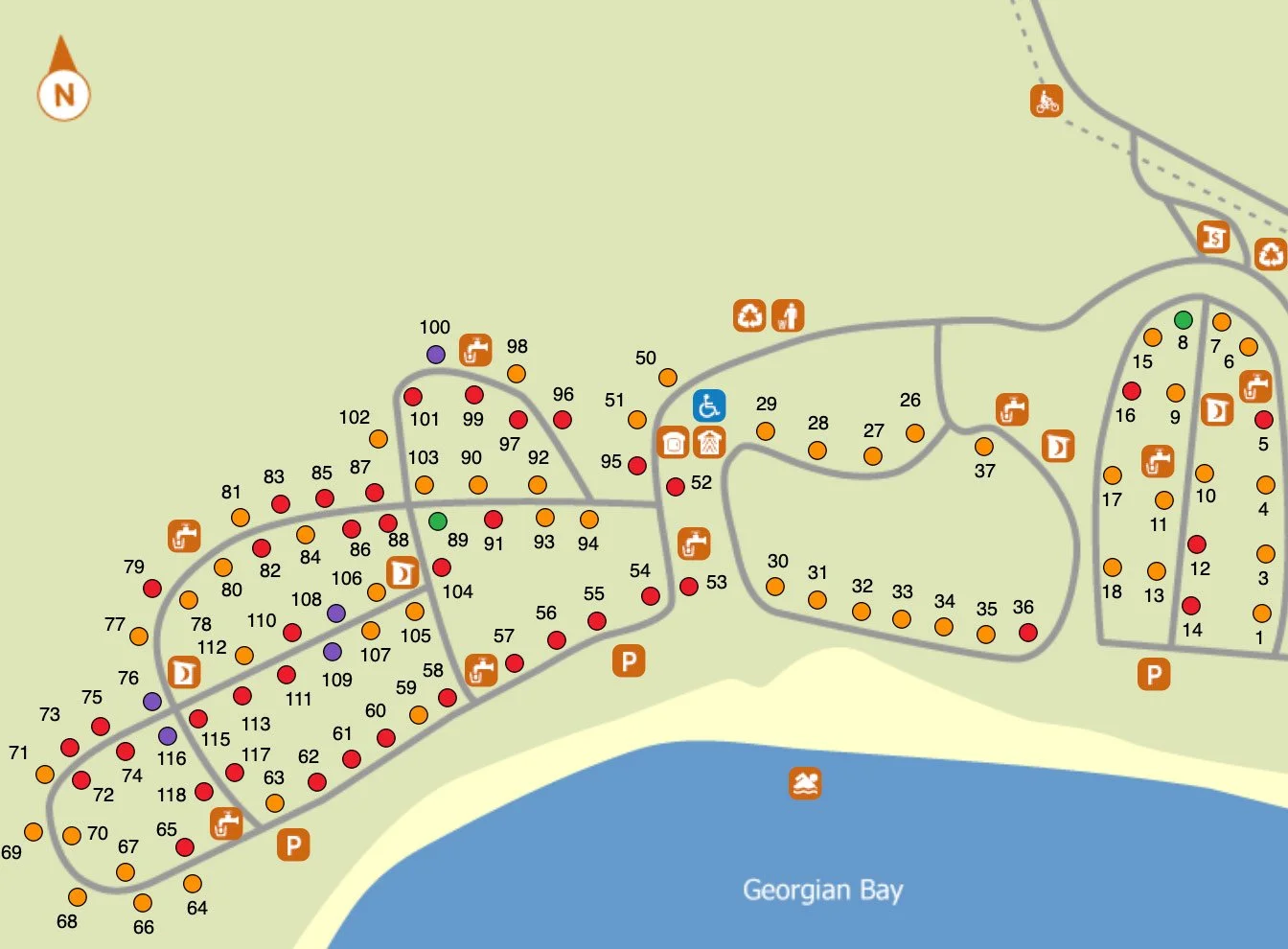
If you’ve spent any time trying to book a campsite in Ontario in recent years, you already know it’s competitive out there. Ontario Parks’ online reservation system opens five months in advance, and popular parks like Algonquin, Killbear, and Sandbanks can sell out within minutes.
The trick? Plan early. If you’ve got your heart set on a particular spot or time of year, mark your calendar for exactly five months before your intended arrival date and be ready at 7 a.m. when the booking window opens.
Don’t forget to check for cancellations too! Ontario Parks’ online system makes it easy to scan for openings, and last-minute gems often pop up, especially mid-week or outside peak summer months.
If it’s your first trip, consider easing into the experience with a park that offers large, accessible RV sites and good amenities, like Arrowhead, MacGregor Point, or Bon Echo. They each have well-designed campgrounds that comfortably accommodate trailers and motorhomes.
Your Ontario Provincial Park RV adventure starts here - Ontario Parks Reservation page.
2. Know Your RV’s Size (and Its Limits)
It may sound simple, but the length and height of your RV matter a great deal. Not every Ontario Provincial Park is designed for big rigs. Some campgrounds were laid out decades ago, when trailers were smaller and maneuvering space was generous only if you had a pop-up or tent trailer.
Before booking, double-check the “Maximum Equipment Length” listed for each site on the Ontario Parks website. It’s not a suggestion, it’s often the difference between a stress-free setup and trying to wedge your trailer into a too-small space while your neighbours watch with popcorn.
When in doubt, measure your full rig tow vehicle, including the trailer, and aim for a bit of breathing room. If you’re new to towing, look for pull-through sites, which make arriving and leaving much less intimidating.

“After one season in our RV, we realized something had to change… the mattress.”
3. Power, Water, and Dumping: Know What to Expect
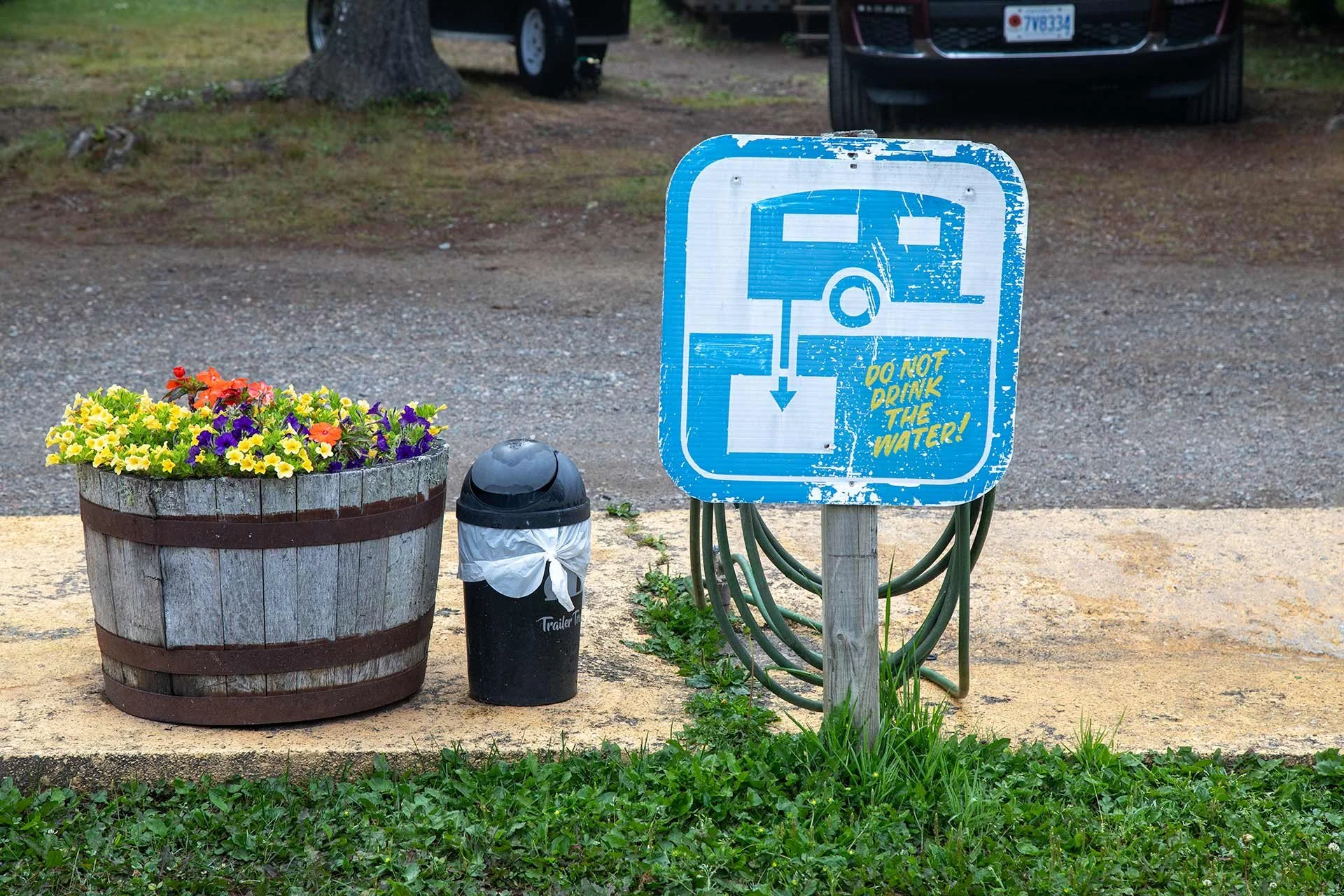
Here’s something first-timers often underestimate: Ontario Parks campsites do not come with full hookups. You may have access to power (15 or 30 amps), but water and sewer hookups are typically located at central fill and dump stations.
Before you arrive, top up your fresh water tank, empty your grey and black tanks, and bring a sewer hose long enough to handle awkwardly placed dump stations.
If you’re running on 15 amps (common in older parks), be mindful of your electrical draw. Running the air conditioner, microwave, and coffee maker simultaneously will almost certainly trip the breaker. A surge protector is a wise investment, and a small generator can be handy for off-grid comfort (respect quiet hours).
If you’re boondocking, camping without any hookups, learn how long your batteries and water will last, and conserve accordingly. Trust me, discovering that your water pump stops mid-shower is a rite of passage best avoided.
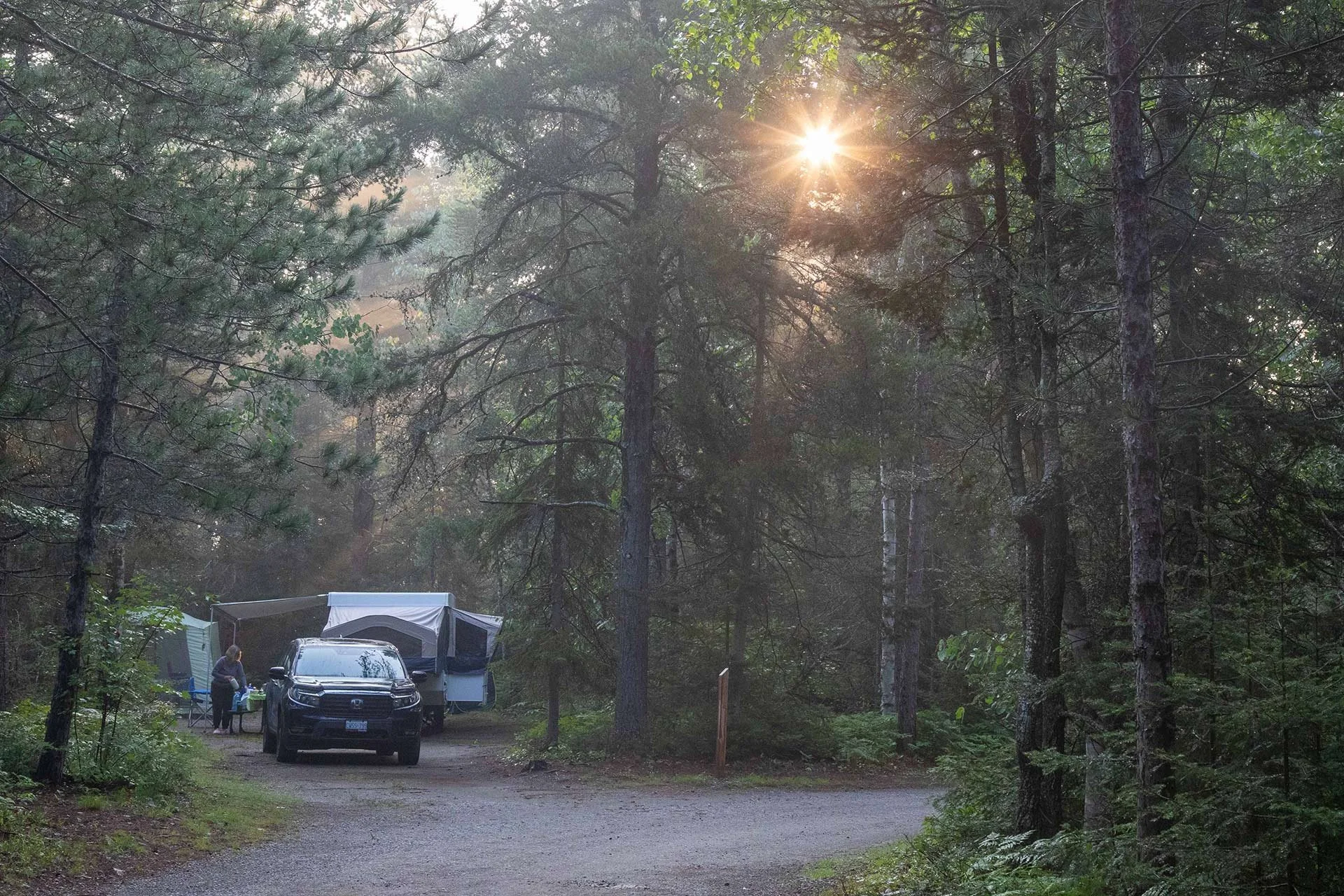
4. The Art of Backing In (and Taking Your Time)
Here’s the truth: your first few back-ins will be an adventure. Even with a spotter, a backup camera, and your best intentions, things can get tense when there are trees, rocks, and a line of campers watching.
The key? Patience. Take your time, communicate clearly, and don’t be afraid to make adjustments even if you have to do so multiple times. No one’s judging; we’ve all been there.
A few tips:
Walk the site first. Check for low branches, soft ground, or tight turns.
Agree on hand signals. Yelling directions through closed windows doesn’t help anyone.
Practice before the trip. A few sessions in an empty parking lot can make all the difference.
And remember: the goal isn’t perfection, it’s just getting parked and level enough to open a cold drink and start enjoying your stay.
5. Levelling and Setup Essentials
You’ll quickly learn that “flat” is a relative term in the world of campsites. Even seemingly level spots often need adjustment. Bring levelling blocks (those stackable orange ones work great) and a small bubble level to fine-tune your setup.
Once you’re parked and level, chock your wheels, lower your stabilizers, and connect your power cable. If the park doesn’t have potable water at the site, fill up a portable container for easy refills during your stay.
Pro tip: Take your time with the setup; it sets the tone for the whole trip. A calm, organized arrival beats rushing through it in frustration every time.
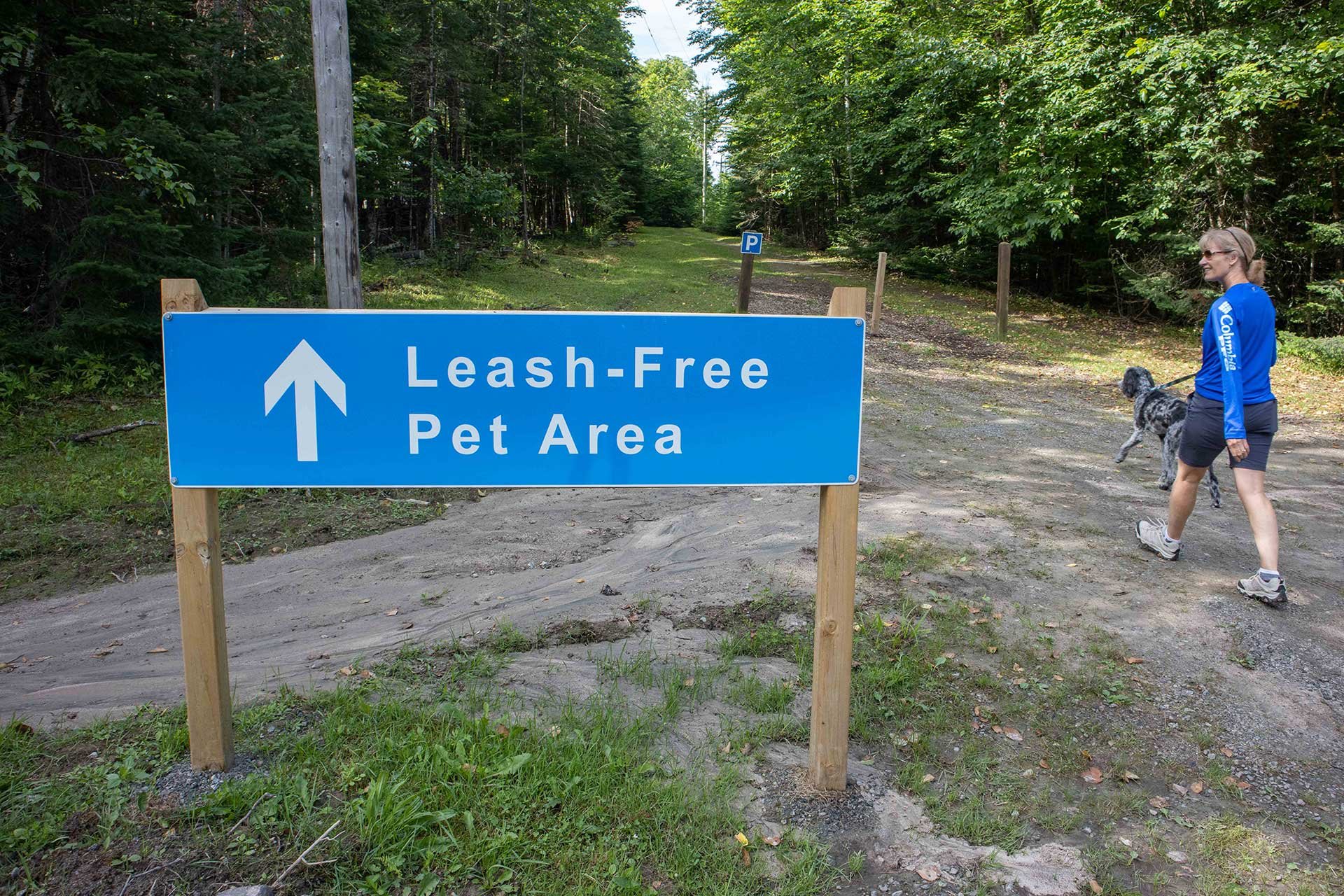
6. Respect the Rules (and the Rhythm)
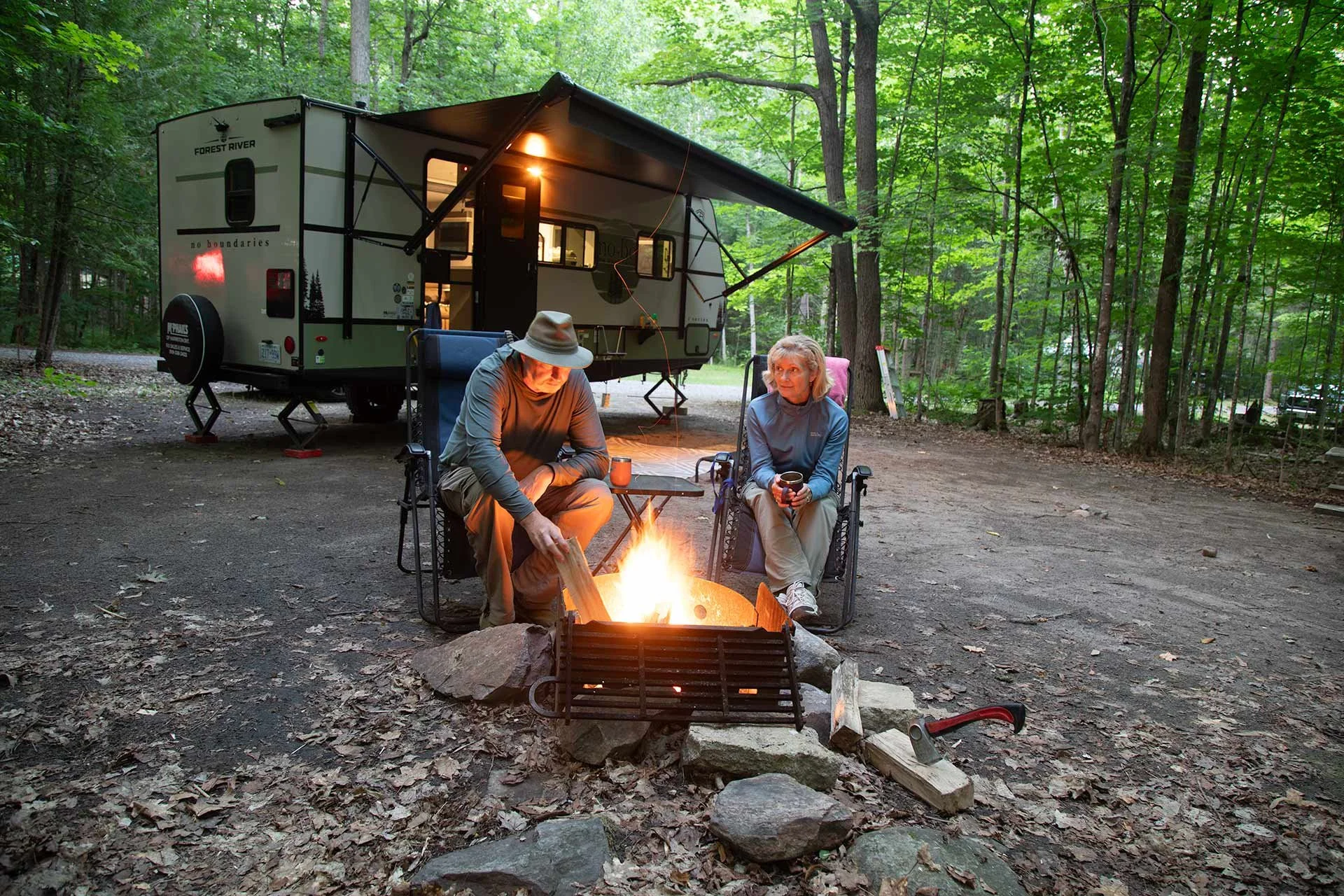
Each Ontario Provincial Park has its own rhythm. Quiet hours typically run from 10 p.m. to 7 a.m., and most campers appreciate that peace and quiet are part of what makes these parks special.
Fires are only permitted in designated fire pits, and during dry periods, restrictions can pop up quickly. Always check the park office or website before lighting up.
Be mindful of wildlife, too. Raccoons are clever, chipmunks are fearless, and bears, while rare, do wander through some parks. Store food securely and never leave garbage or pet food outside overnight.
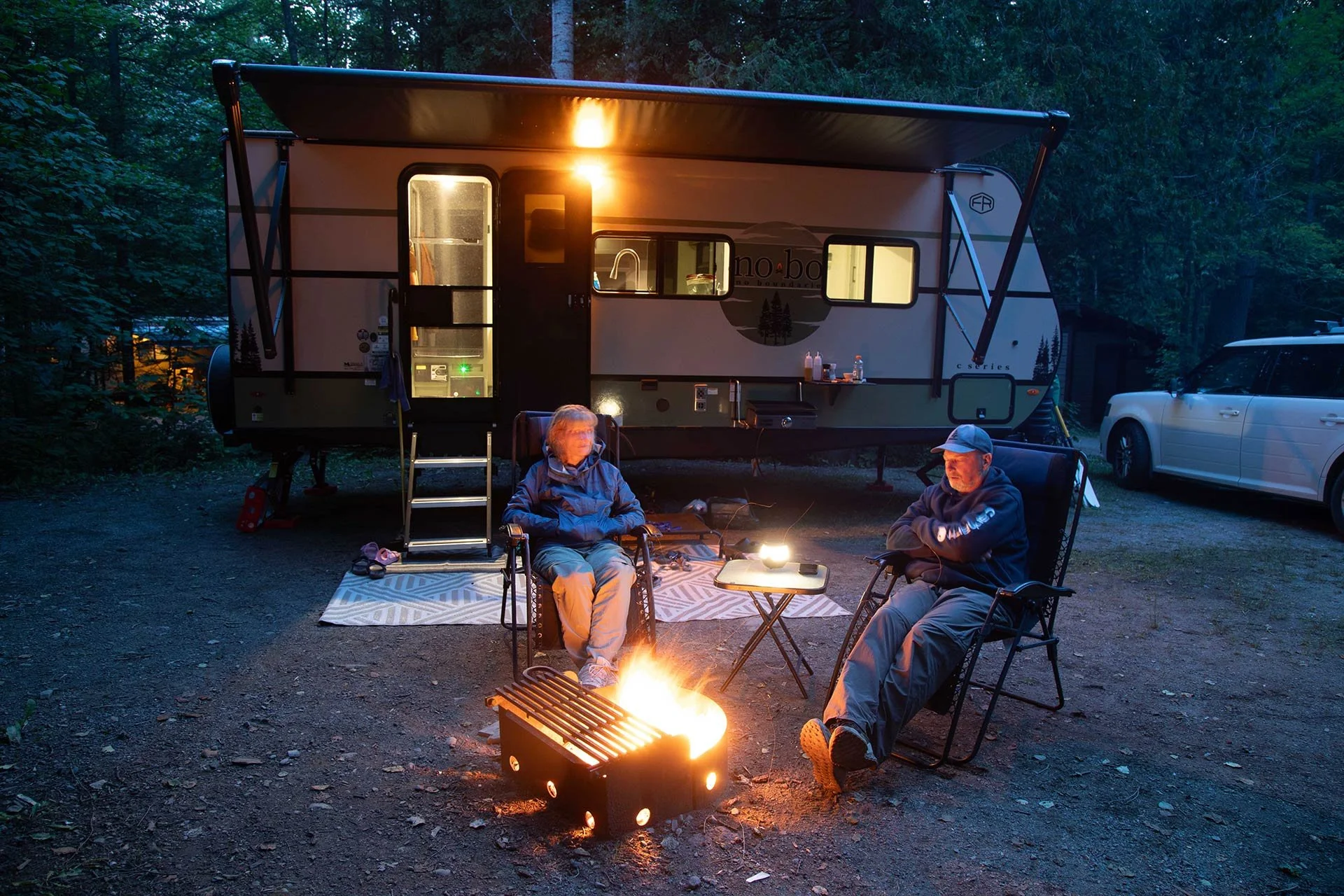
And speaking of pets, most parks are dog-friendly, but leash rules are enforced. Some have designated dog beaches or off-leash areas. Check the park map for details before heading out.
7. Disconnect to Reconnect
One of the unexpected gifts of camping in Ontario’s provincial parks is the chance to truly unplug. Many parks have limited or no cell service, and once the initial panic fades, it’s often the best part of the experience.
Without the constant pull of notifications, the simple pleasures take over: coffee by the lake, a long walk through the pines, an evening fire under a sky full of stars.
If you’re travelling with family, this is your chance to slow down and actually connect, whether it’s a board game in the trailer or a paddle around the bay. For couples, it’s a rare opportunity to trade screens for stargazing.
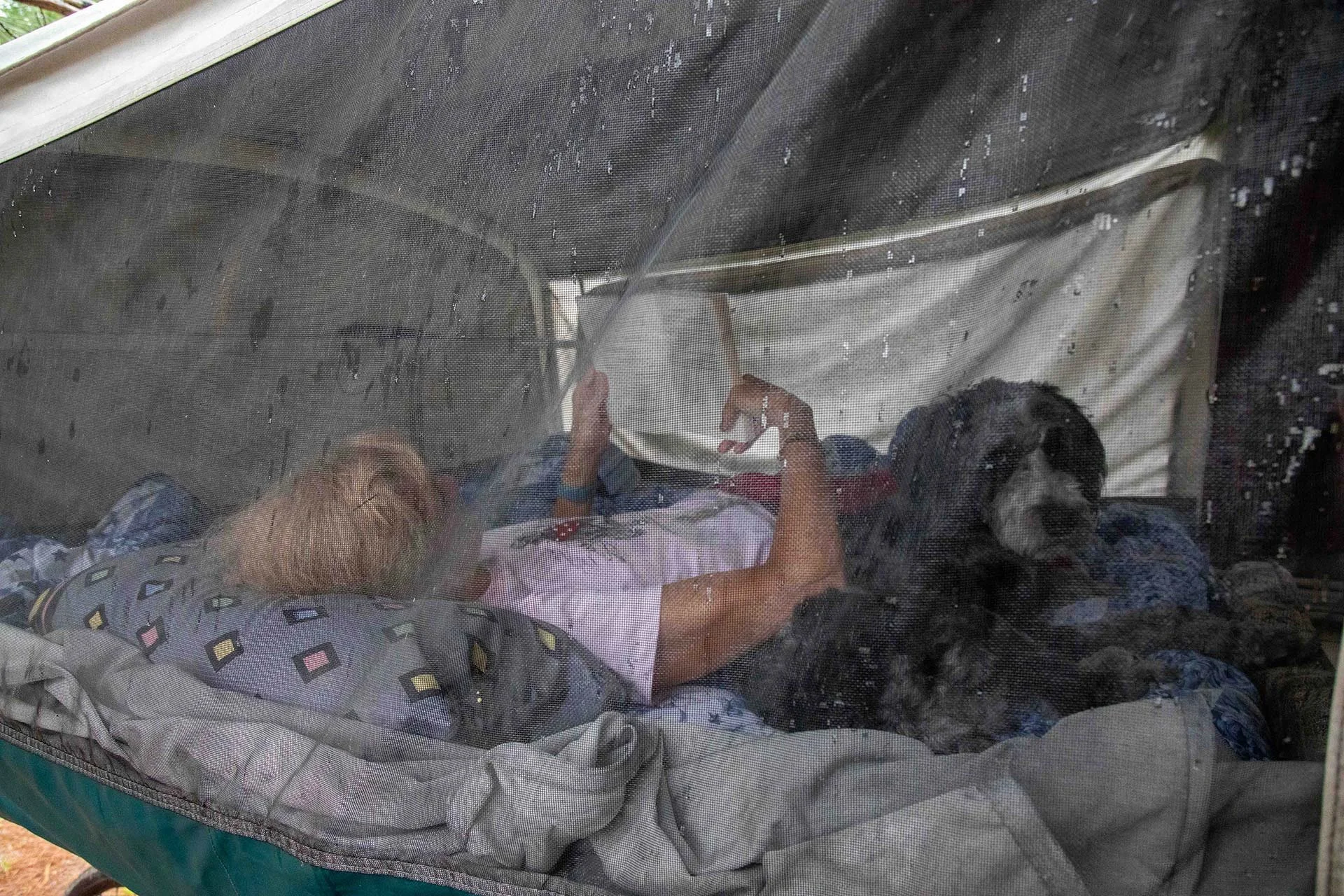
8. Be Prepared for Ontario’s Weather (All of It)
Ontario weather has a sense of humour. It can be 28°C and sunny when you leave home, and 12°C with a steady drizzle by the time you reach the park.
Always pack for variety: layers, rain gear, and a few extra blankets for chilly nights. Bring a tarp or pop-up shelter for shade or rain, and a mat for the trailer entrance. Dirt and pine needles have a way of following you inside.
Mosquitoes and blackflies are part of the experience in spring and early summer, so bug spray, citronella candles, and a screen room are your best friends.
9. Take Advantage of the Park’s Programs and Trails
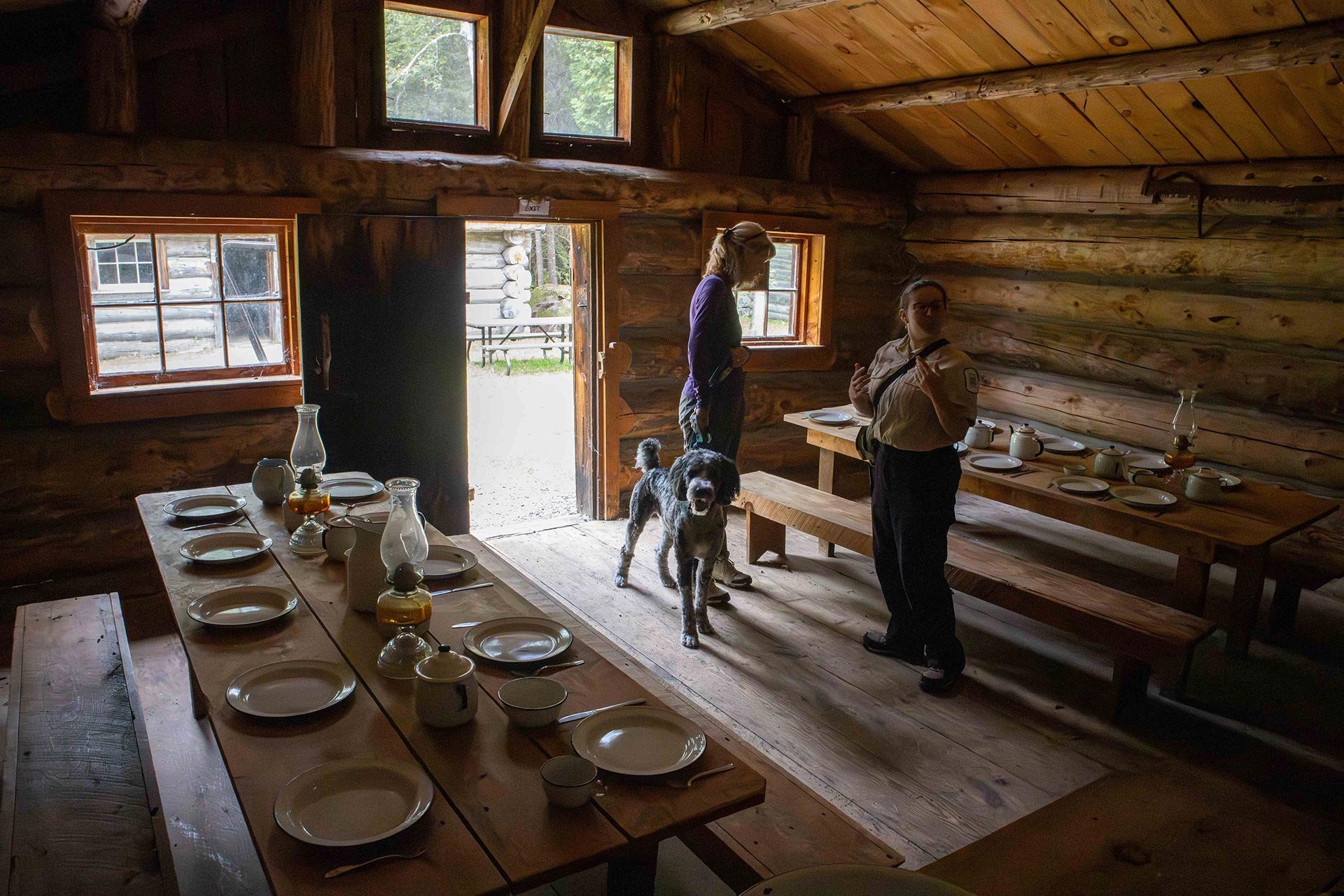
Each park offers something special, from interpretive hikes and canoe rentals to stargazing nights and visitor centres. Many have miles of hiking and biking trails right from your campsite.
If you’re at Arrowhead, don’t miss the Stubbs Falls trail; at Bon Echo, take the ferry to Mazinaw Rock; at Killarney, hike The Crack for one of the best views in Ontario.
The beauty of RV travel is having your basecamp ready and waiting after a day of exploring. You can chase sunsets one evening and sleep in the next, all from the comfort of your rolling home.
10. Leave It Better
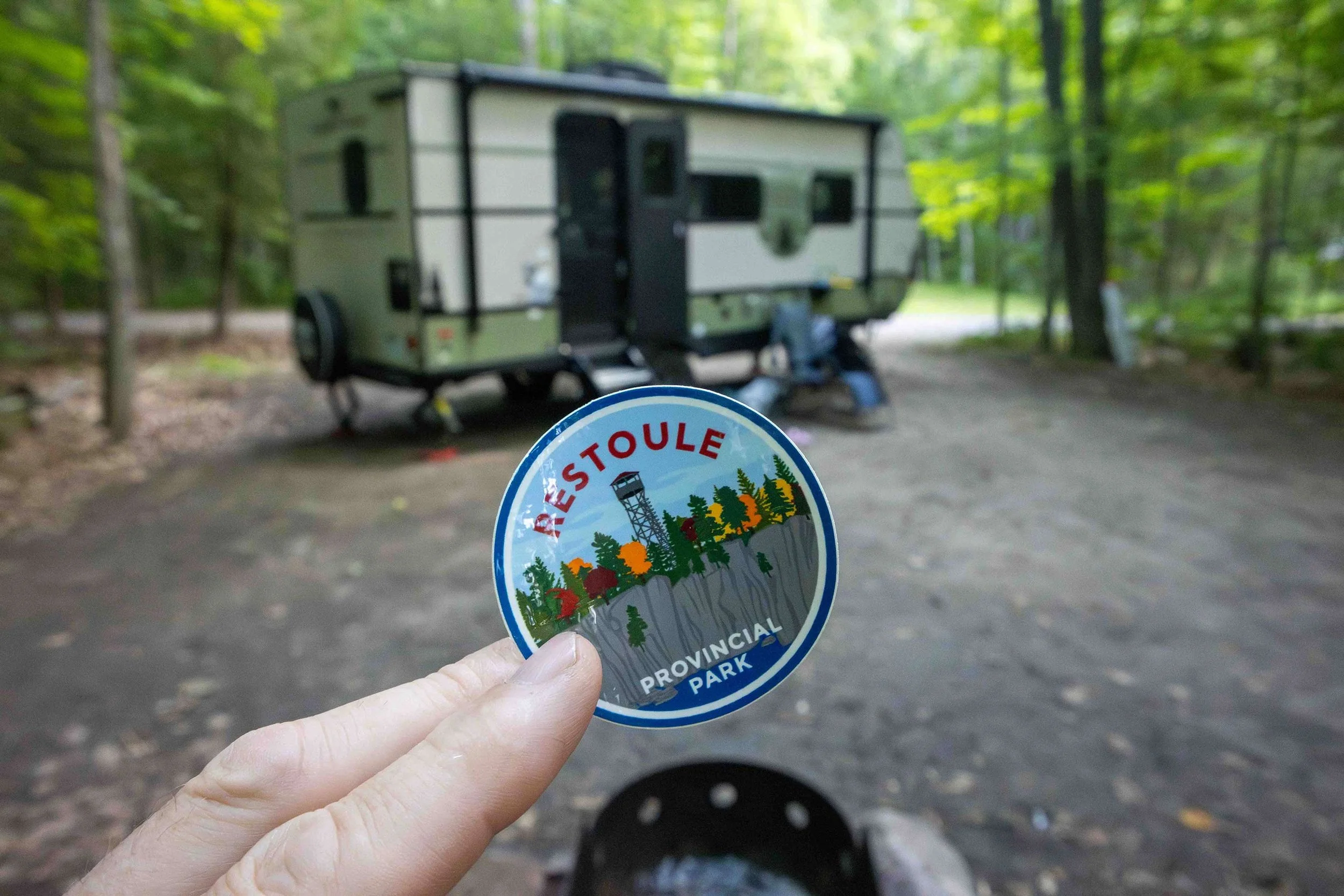
Finally, remember that these parks are shared spaces, some of the most beautiful and fragile environments in the province. Leaving no trace isn’t just a slogan; it’s a responsibility.
Pack out what you pack in, stay on designated trails, and teach anyone travelling with you, especially children, to respect the wildlife and natural surroundings.
The payoff is huge: cleaner campsites, quieter parks, and a chance for everyone else to enjoy the same sense of wonder you felt when you first rolled in.

Tested the ECO-WORTHY 12V 280Ah LiFePO4 battery on a 12-day RV trip. See how it performed off-grid in rain, shade, and full sun.