Bikes of the GWTA
Some of the links below are affiliate links, which means we will earn a commission on the products or services you purchase using the links. There is no additional cost to you, and the earnings help keep this website running.
A look at the many ways to ride Ontario’s most iconic cycling adventure
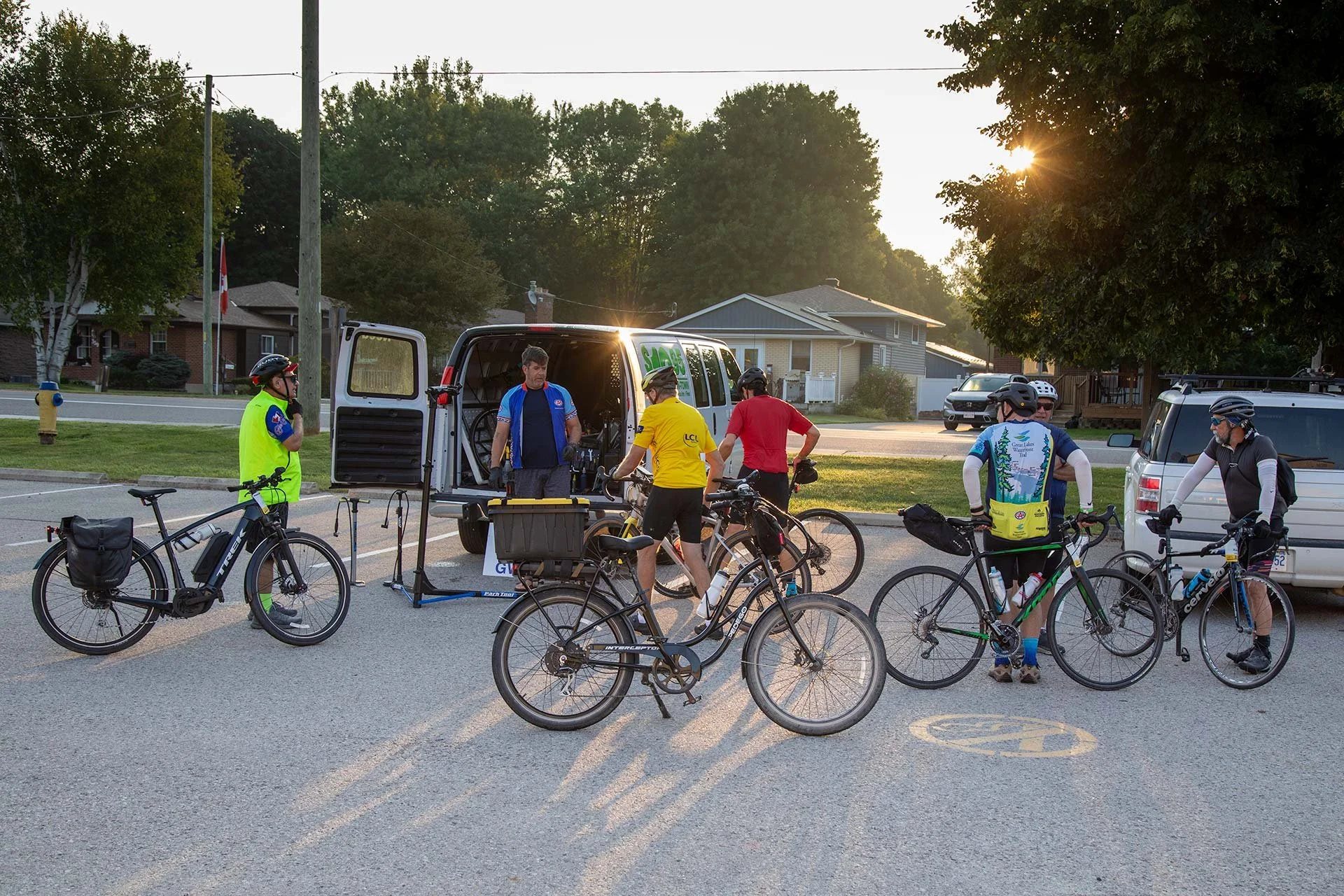
After ten years as the official photographer of the Great Waterfront Trail Adventure (GWTA), I’ve seen nearly every type of bike pass my lens.
Touring rigs, sleek road bikes, recumbents, tandems, and more e-bikes every year.
And that’s the beauty of the GWTA. It’s not about having the perfect setup. It’s about showing up, rolling out, and finding your own way along Ontario’s incredible waterfront.
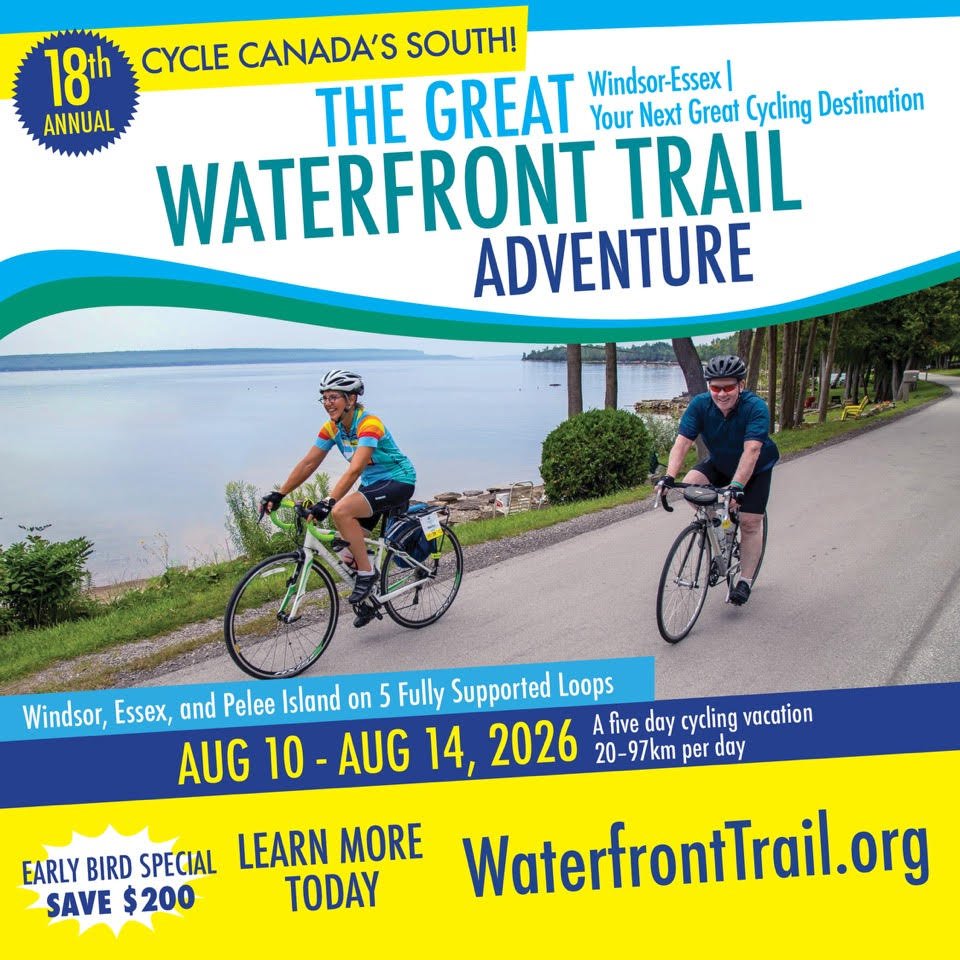
The GWTA is a supported, multi-day cycling tour that features sections of the Great Lakes Waterfront Trail, a 3,600 km signed route linking communities along Lake Ontario, Lake Erie, Lake Huron, Georgian Bay, the St. Lawrence River, and the shores of Lake Superior.
Each year, riders take on hundreds of kilometres over several days, supported by rest stops, luggage transfers, and a strong sense of community.
It’s not a race. It’s a shared experience.
And the bikes? They’re as diverse as the riders.
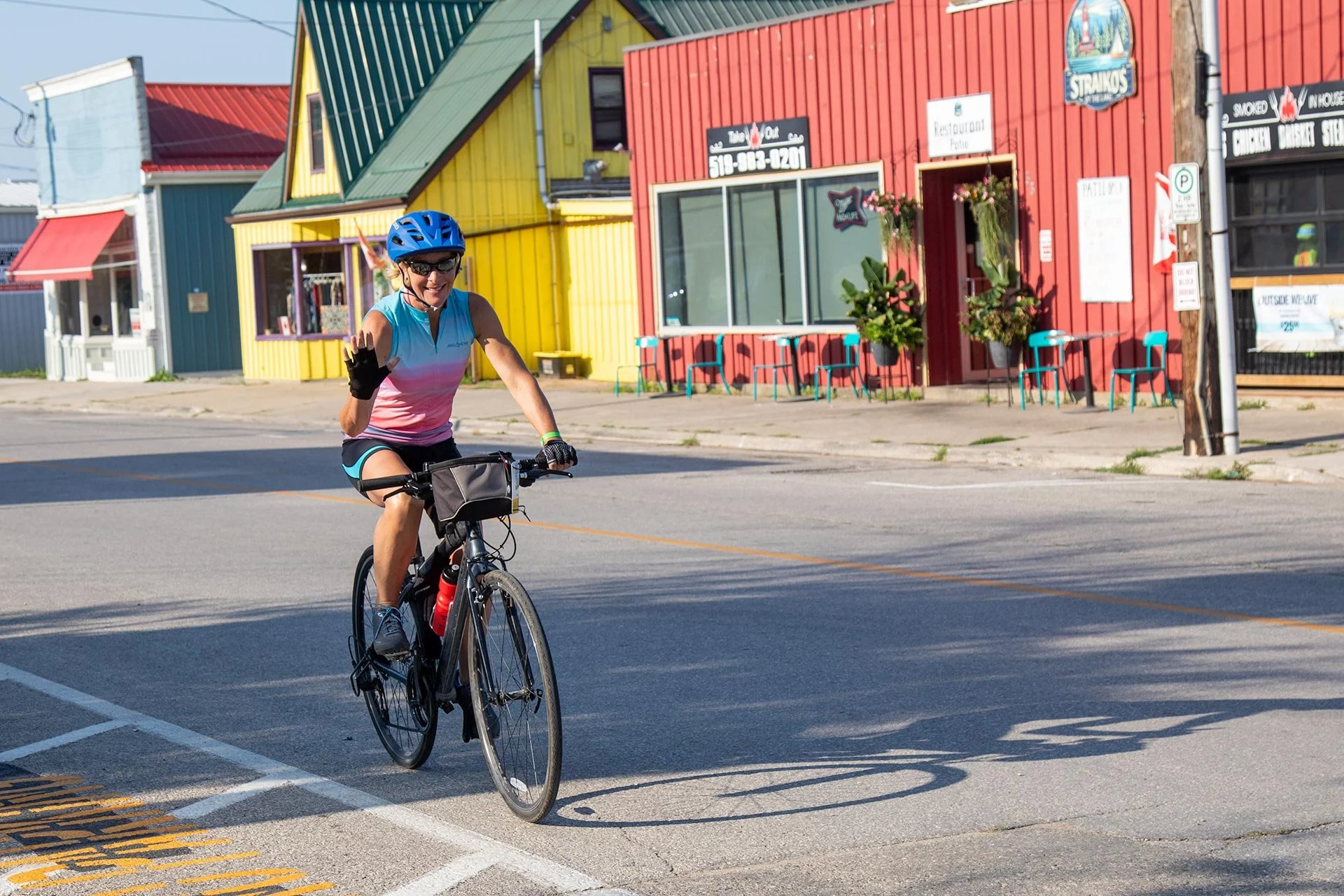
Hybrid Bike: The People’s Choice
If there’s one bike that defines the GWTA, it’s the hybrid.
Year after year, hybrid bikes constitute the largest share of riders on the tour, and it’s easy to see why. Combining the comfort of a mountain bike with the efficiency of a road bike, hybrids are approachable, versatile, and ideally suited to the mixed terrain of the Great Lakes Waterfront Trail.
For many riders, this is the bike they already own, and the GWTA proves you don’t need anything fancy to take on a multi-day cycling adventure.
Why it works on the GWTA:
Comfortable upright riding position
Flat handlebars for control and confidence
Wide, semi-slick tires that handle pavement and light gravel
Simple, reliable setup with room for racks or bags
Hybrids shine on long, steady days where comfort and predictability matter more than outright speed. They’re forgiving, easy to ride, and ideal for both first-time tourers and seasoned riders who just want to enjoy the journey.
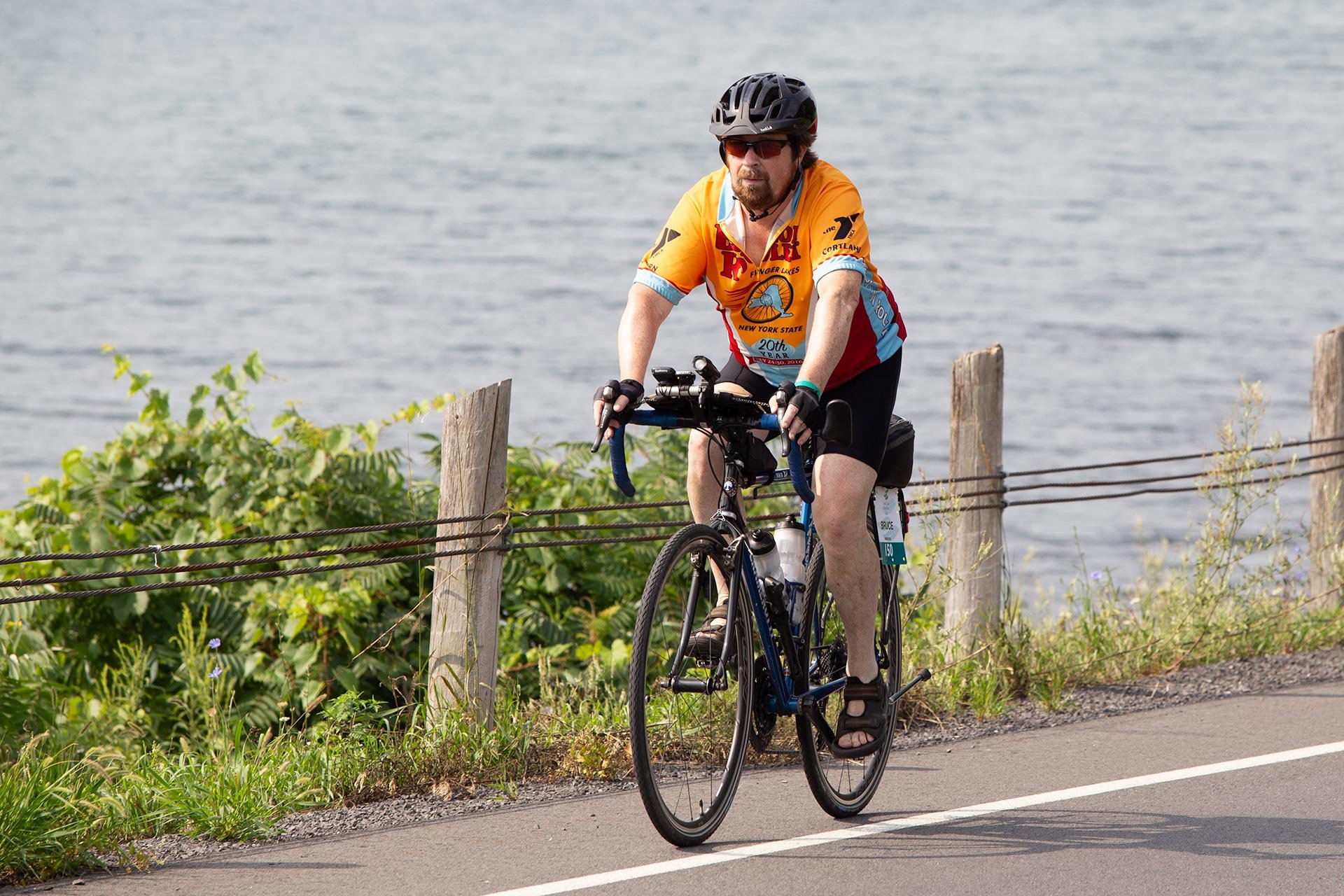
Touring Bike: The Classic Workhorse
Designed for long-distance comfort and load carrying, touring bikes thrive on multi-day adventures. With stable geometry, wide gearing, and the ability to mount racks and panniers, they’re built for exactly what the GWTA delivers: long days in the saddle with everything you need along for the ride.
Why it works on the GWTA:
Comfortable for back-to-back riding days
Handles mixed surfaces with ease
Carries gear for camping or self-supported riding
This is the bike for riders who want to settle into a rhythm and enjoy the journey as much as the destination.
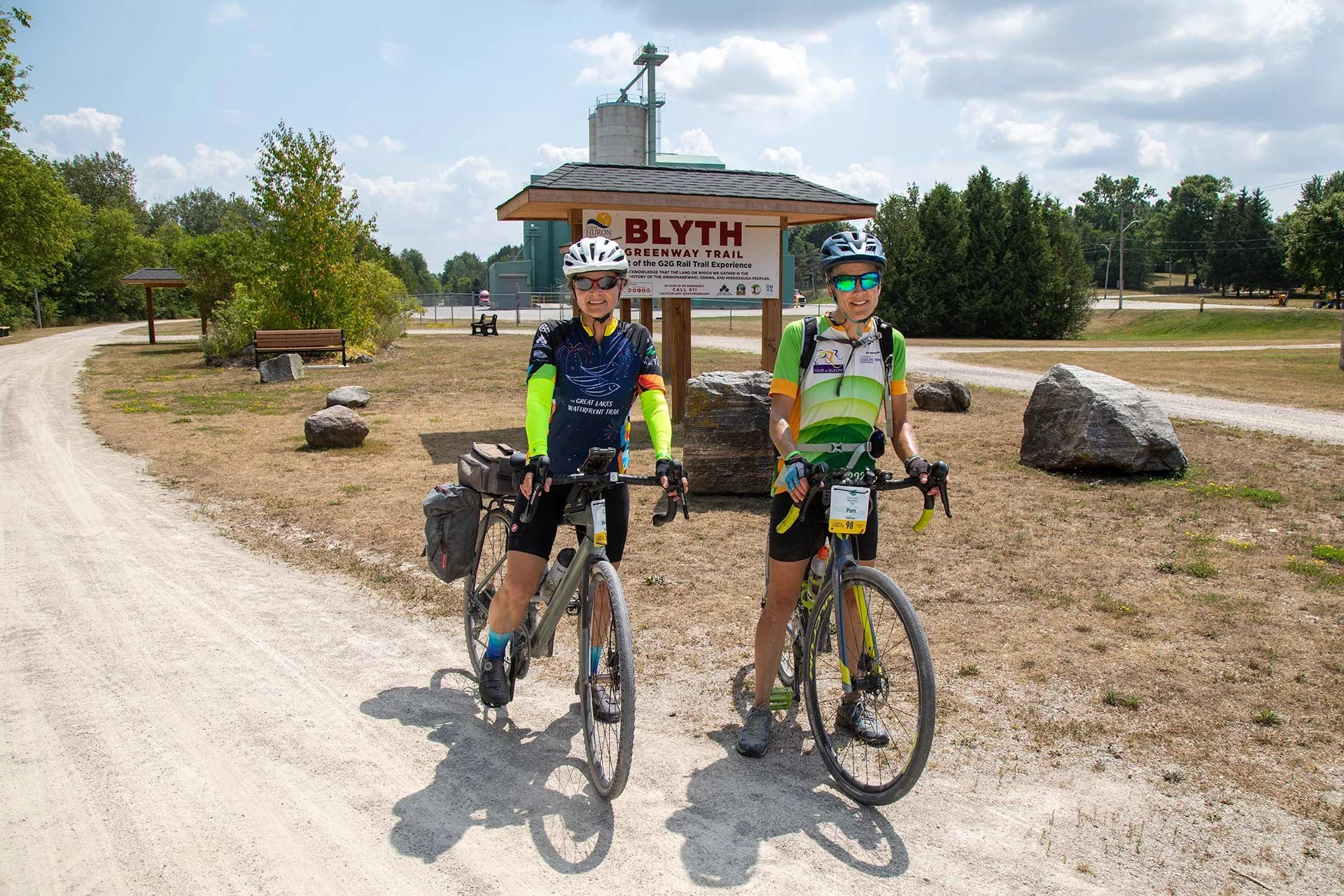
Gravel Bike: The Modern All-Rounder
Gravel bikes have become a GWTA favourite, and for good reason.
Blending road-bike efficiency with off-road capability, gravel bikes are ideal for the Waterfront Trail’s mix of surfaces. Whether you're rolling smooth asphalt or crunching along a rail trail, they handle it all with confidence.
Why it works:
Fast on pavement, capable on gravel
Comfortable geometry for long days
Room for wider tires (key on rough sections)
If you only own one bike and want to ride the GWTA, this might be the perfect choice
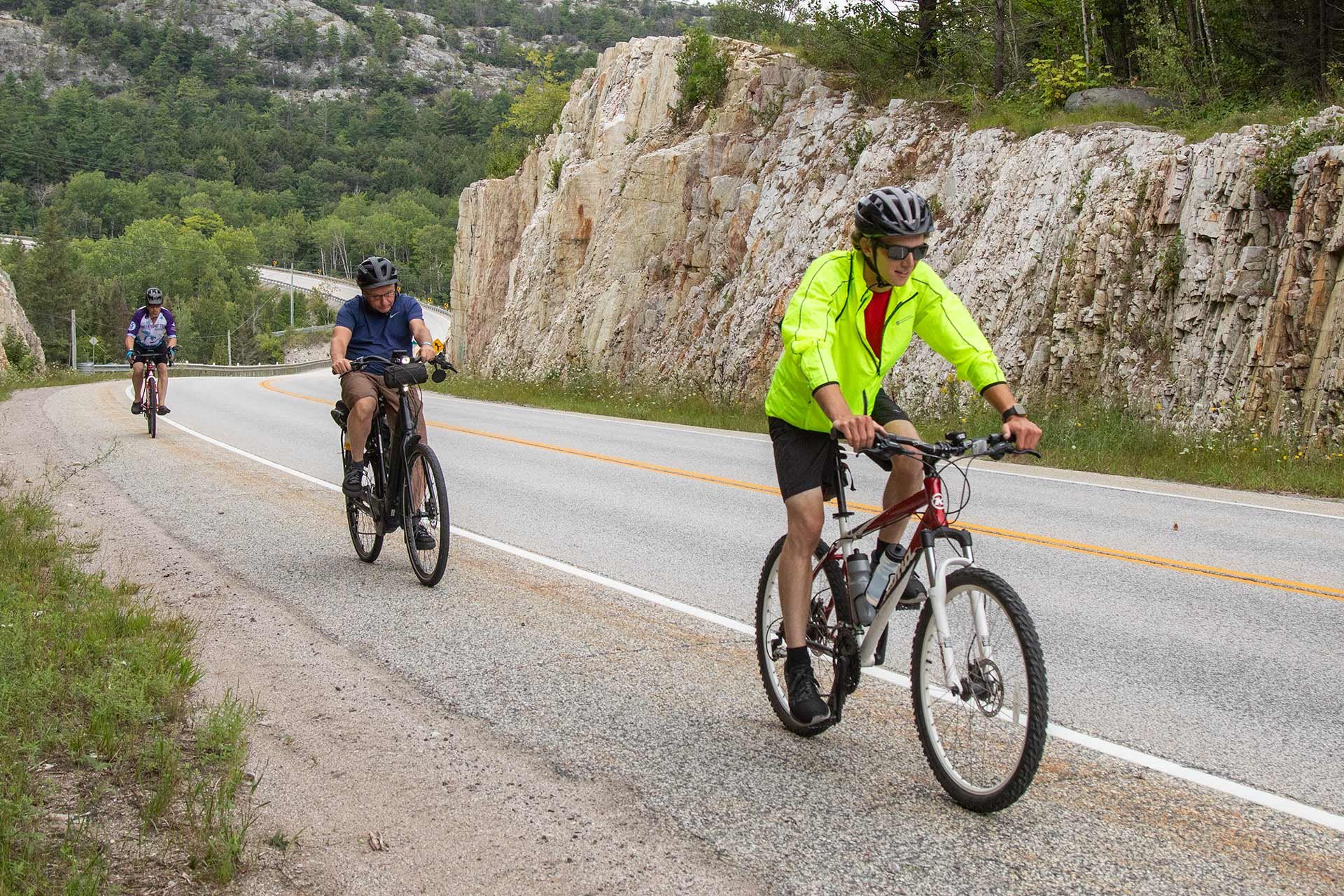
Mountain Bike: The Unexpected Hero
At first glance, a mountain bike might seem like overkill, but on certain sections of the GWTA, it shines.
With wider tires and suspension, mountain bikes smooth out rough patches and provide confidence on loose surfaces. You’ll sacrifice some speed on pavement, but gain comfort and control.
Why it works:
Excellent on gravel and uneven terrain
Upright position reduces fatigue
Bulletproof reliability
Perfect for riders who prioritize comfort and stability over speed.
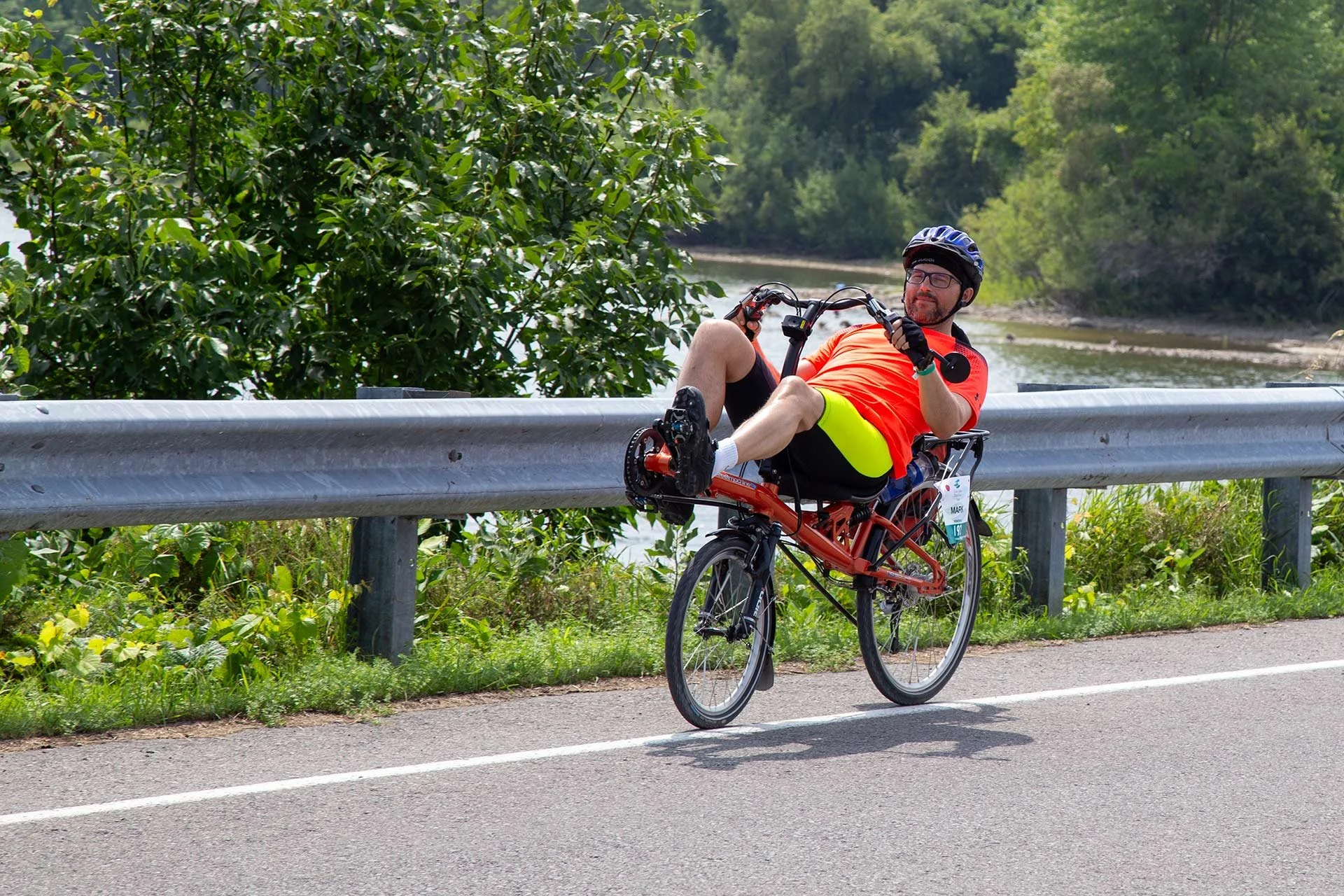
Recumbent Bike: Comfort Redefined
You’ll always spot at least one recumbent on the GWTA, and it’s impossible not to notice.
With a laid-back riding position, recumbents are incredibly comfortable over long distances. They reduce strain on the back, neck, and wrists, making them a compelling option for endurance riders.
Why it works:
Superior long-distance comfort
Aerodynamic efficiency
Great for riders with physical limitations
They may climb more slowly, but on flat waterfront sections, they absolutely fly.
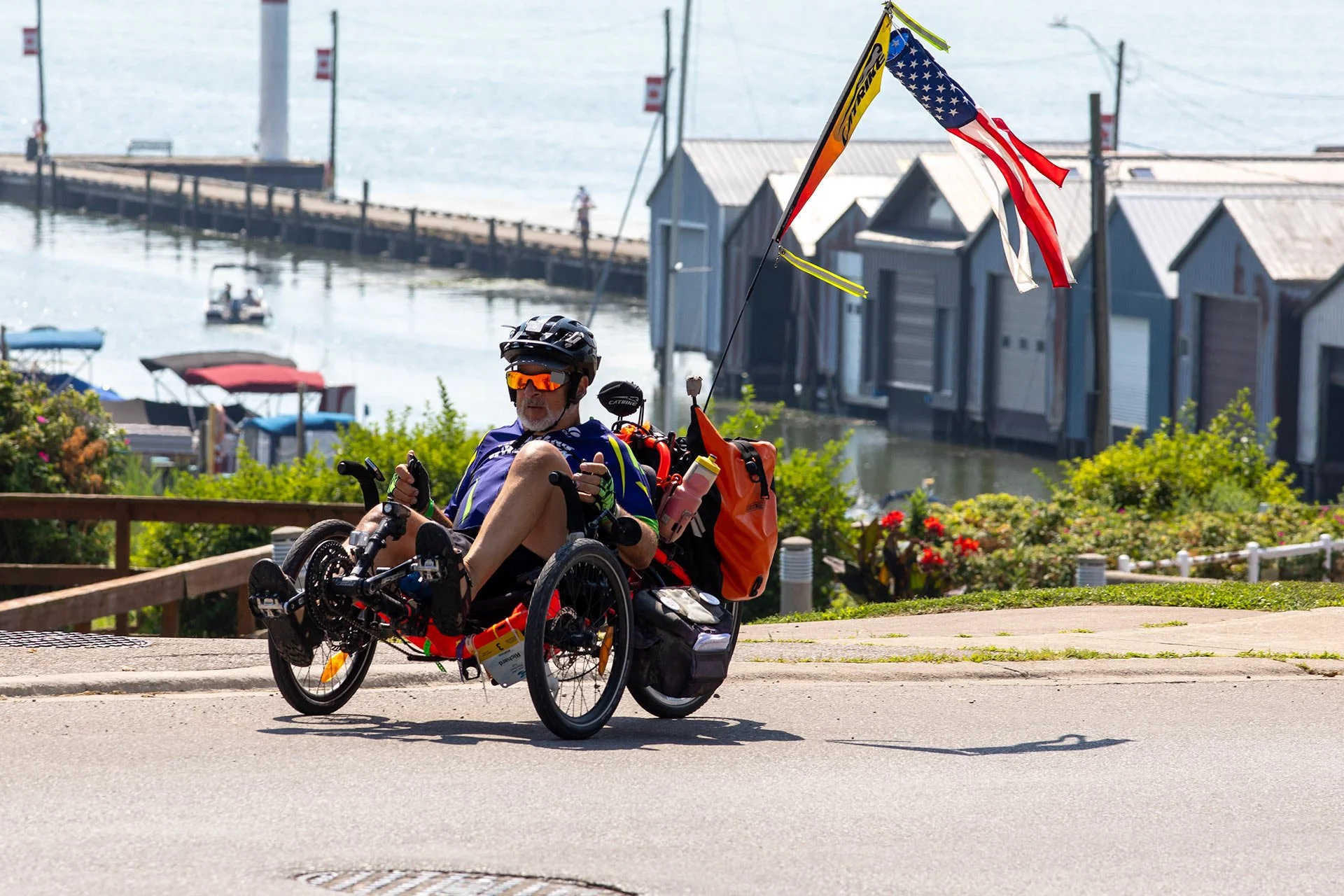
Trike: Stability Meets Adventure
Recumbent trikes take comfort a step further, with three wheels.
While less common, they’re a perfect fit for riders who want maximum stability and a relaxed riding experience. No balancing required, and plenty of room for gear. Most of the trikes on the GWTA are also e-assist.
Why it works:
Ultra-stable, especially at low speeds
Comfortable for long days
Ideal for accessibility and inclusivity
The GWTA’s supportive environment makes it one of the best places to try something like this.
Are you trike curious? Visit our friends at Hamilton Trike for everything you need to know about rolling on three wheels.
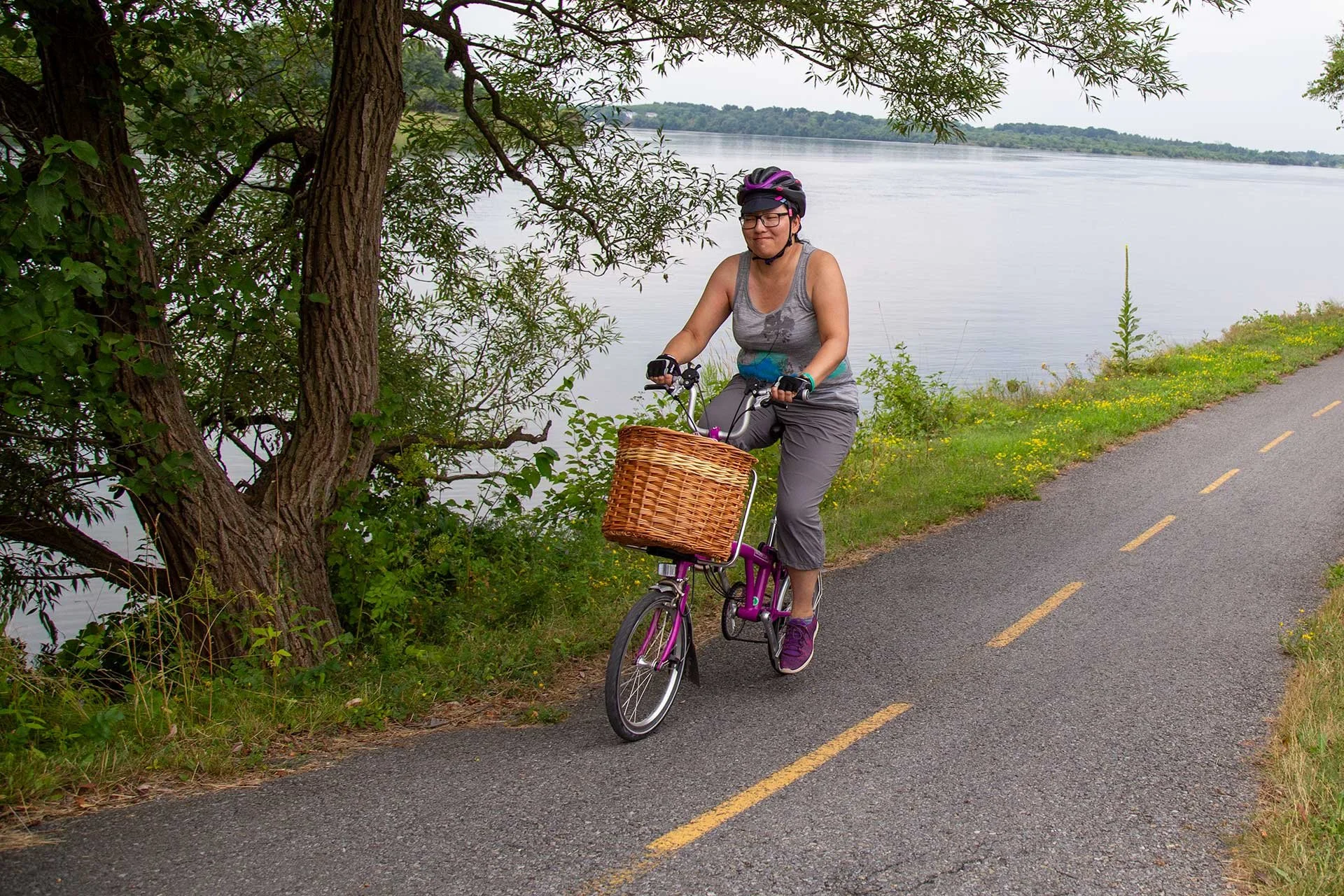
Folding Bike: Small Bike, Big Adventure
Don’t underestimate the folding bike.
Compact and surprisingly capable, folding bikes show up on the GWTA more often than you’d expect. For riders combining cycling with transit or those with limited storage space, they’re a practical and fun option.
Why it works:
Easy transport to/from the ride
Great for urban sections
Surprisingly capable over distance
They may require a bit more effort on longer days, but they prove that adventure doesn’t require a full-sized bike.
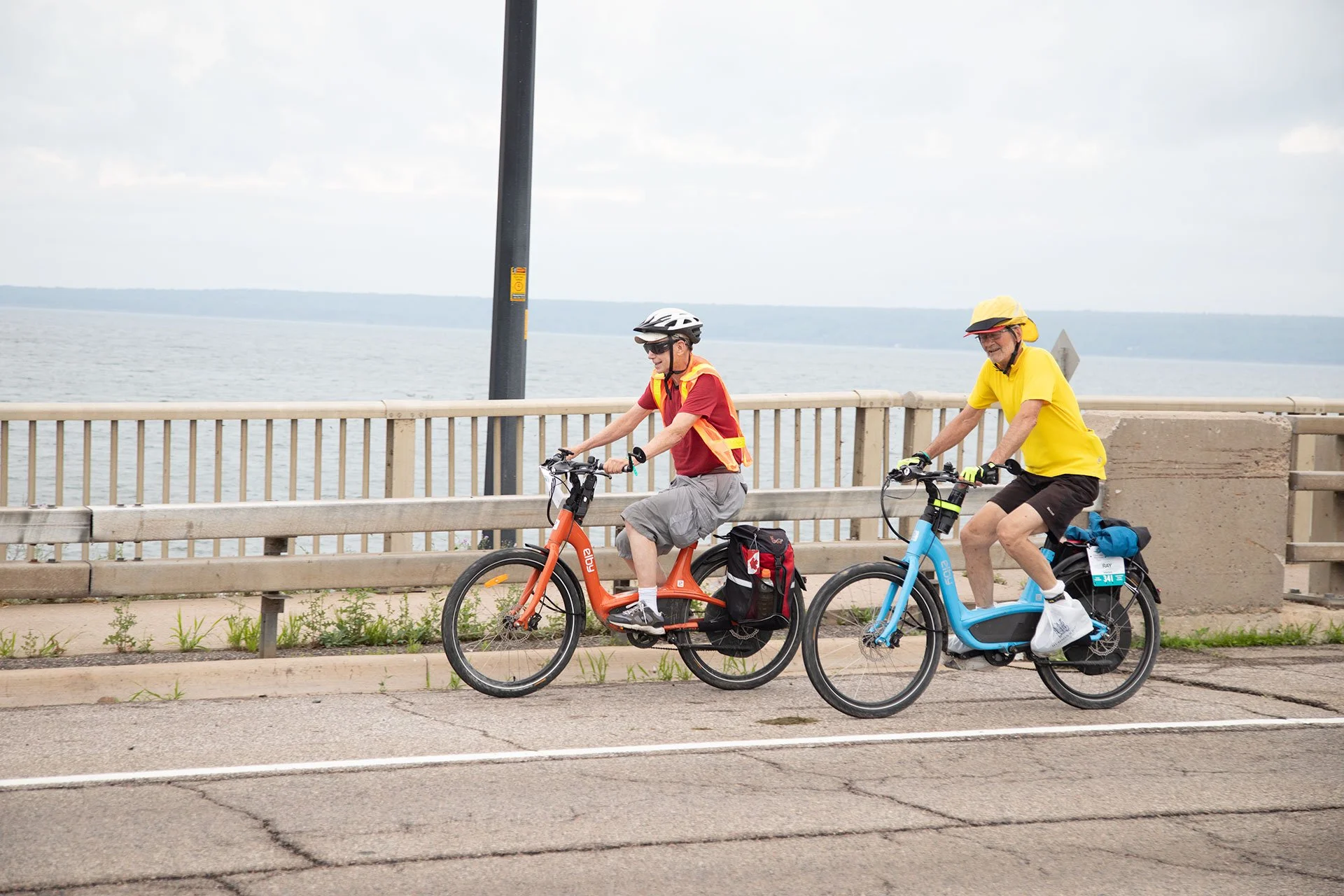
E-Bike: Opening the Door
E-bikes have changed the GWTA, and for the better.
By adding pedal assist, they make the ride accessible to more people, whether it’s your first multi-day tour or you’re looking to keep up with stronger riders. The key is battery management, especially on longer days.
Why it works:
Makes longer distances more approachable
Helps flatten hills and headwinds
Expands who can participate
Just remember: charging logistics matter, and planning ahead is essential.
Related Article: 10 Reasons to Add an E-Bike to Your Cycling Adventures
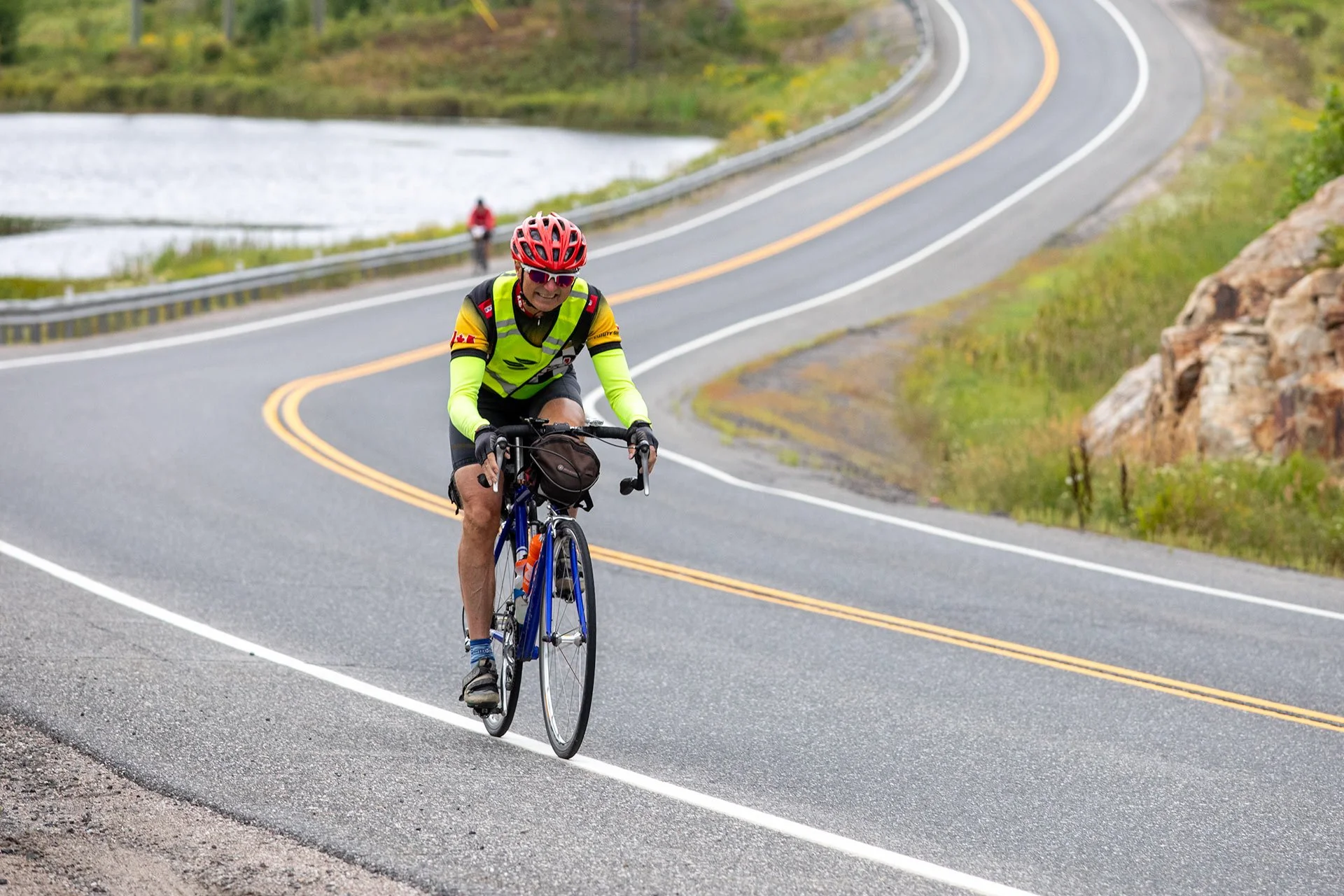
Road Bike: Speed and Efficiency
Yes, you can ride the GWTA on a road bike, and many riders do.
If your goal is efficiency and covering distance quickly, the road bike is hard to beat. However, tire choice becomes critical when encountering rougher sections.
Why it works:
Fast and efficient on paved roads
Lightweight and responsive
Ideal for experienced riders
Best suited for those comfortable navigating mixed conditions with narrower tires.
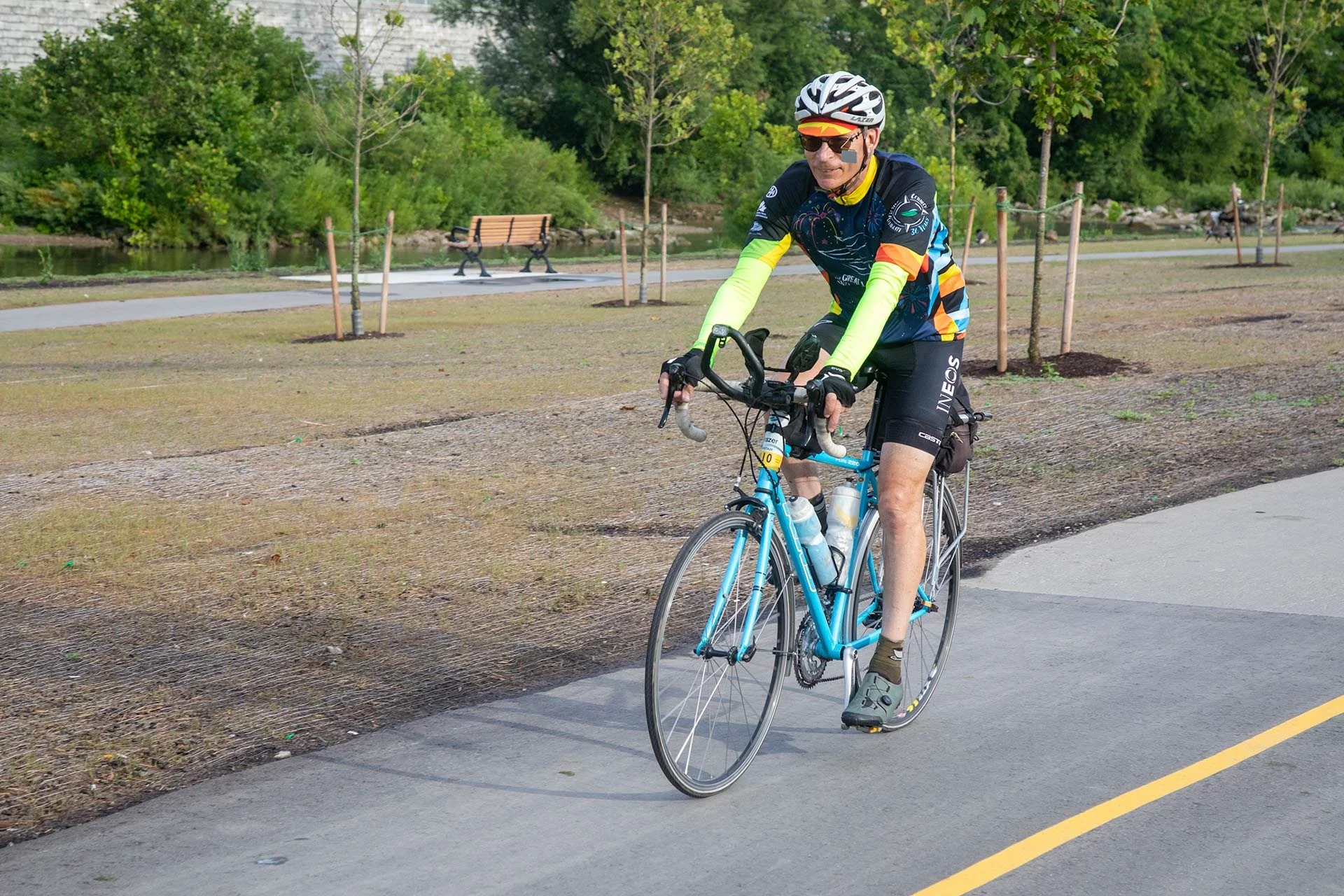
Vintage Bike: Style Meets Story
Every GWTA has that rider, the one cruising along on a beautifully restored vintage steel bike.
These bikes bring character, nostalgia, and a reminder that you don’t need the latest tech to have an incredible ride.
Why it works:
Comfortable steel frames
Timeless design
A conversation starter at every stop
Just make sure it’s tuned up, because charm won’t fix a mechanical mid-ride.
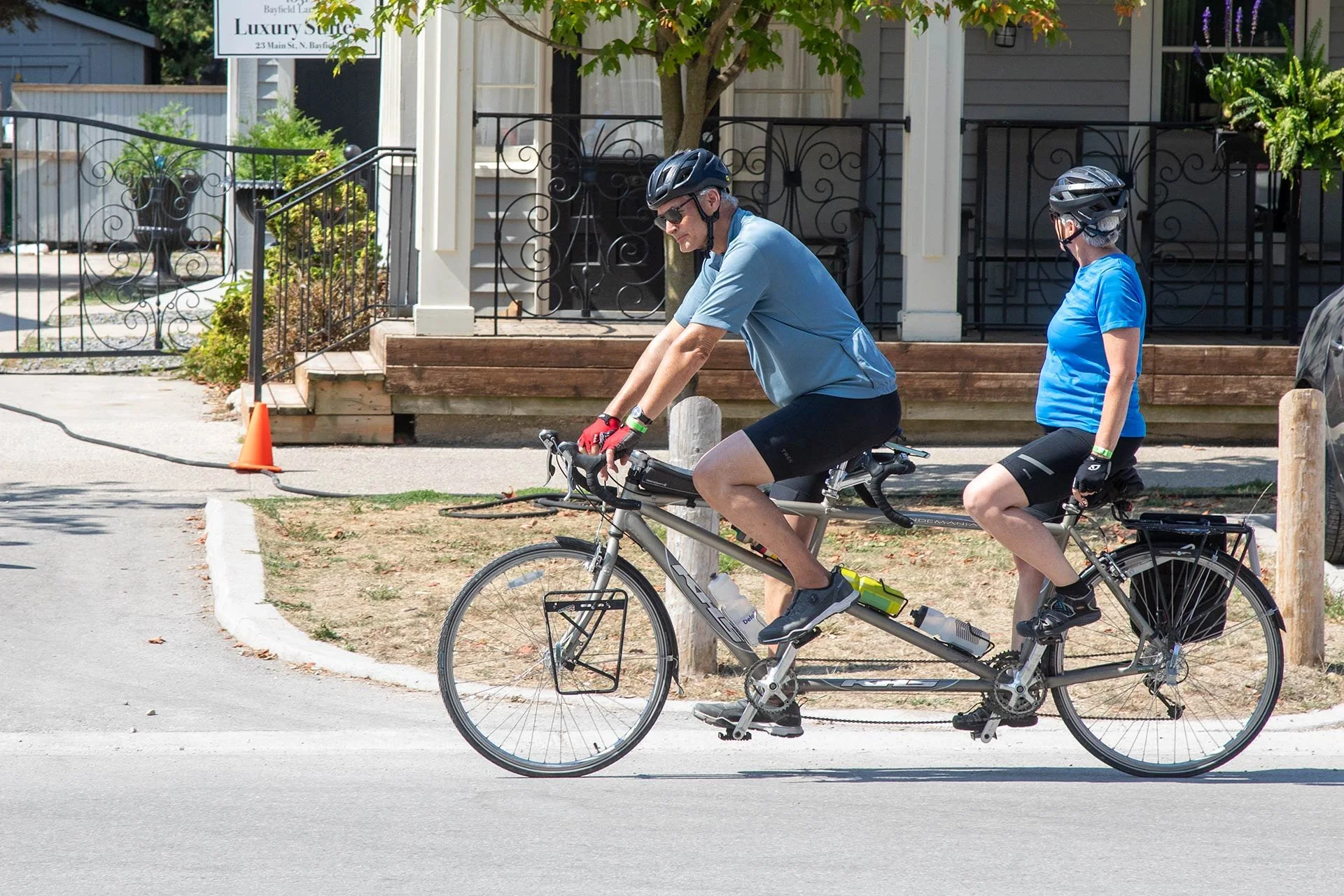
Tandem Bike: Shared Experience
Few bikes capture the spirit of the GWTA like a tandem.
Riding together, literally, adds a whole new dimension to the experience. Communication, teamwork, and shared effort turn every kilometre into a joint accomplishment.
Why it works:
Perfect for couples or friends
Strong pacing and efficiency
Built-in camaraderie
Plus, you’ll never be short on conversation.

Bike Pointers for Riding the GWTA
No matter what you ride, a few key principles apply across the board:
1. Comfort is King
You’ll be riding multiple days in a row. Fit, saddle comfort, and hand positions matter more than speed.
2. Tire Choice Matters
The GWTA has a mix of asphalt and gravel. Wider tires (32mm–45mm) offer comfort and confidence. Other factors to consider include tire pressure; running lower pressure results in a more comfortable ride. There is a fine line between too low and just right; the on-site bicycle mechanic can help with that.
3. Gearing is Your Friend
Even if the route is relatively flat, wind and fatigue are real. Make sure you have gears you can rely on.
4. Tune It Before You Go
A pre-ride tune-up is essential. Mechanical issues can quickly derail your experience.
5. Pack Smart
Even with support, you’ll want essentials: snacks, water, layers, and a basic repair kit.
6. Ride Your Ride
The GWTA isn’t a race. Stop for photos, explore small towns, and enjoy the experience.
One Trail, Endless Ways to Ride
After a decade of documenting the GWTA, one thing stands out more than anything else: it’s not about the bike.
It’s about the people, the places, and the shared experience of moving through it all at bike speed.
From hybrids to tandems, from e-bikes to vintage steel, every rider brings their own story to the road.
And that’s what makes the GWTA special.
Because the best bike for the ride?
It’s the one you already have—and the one that gets you there.

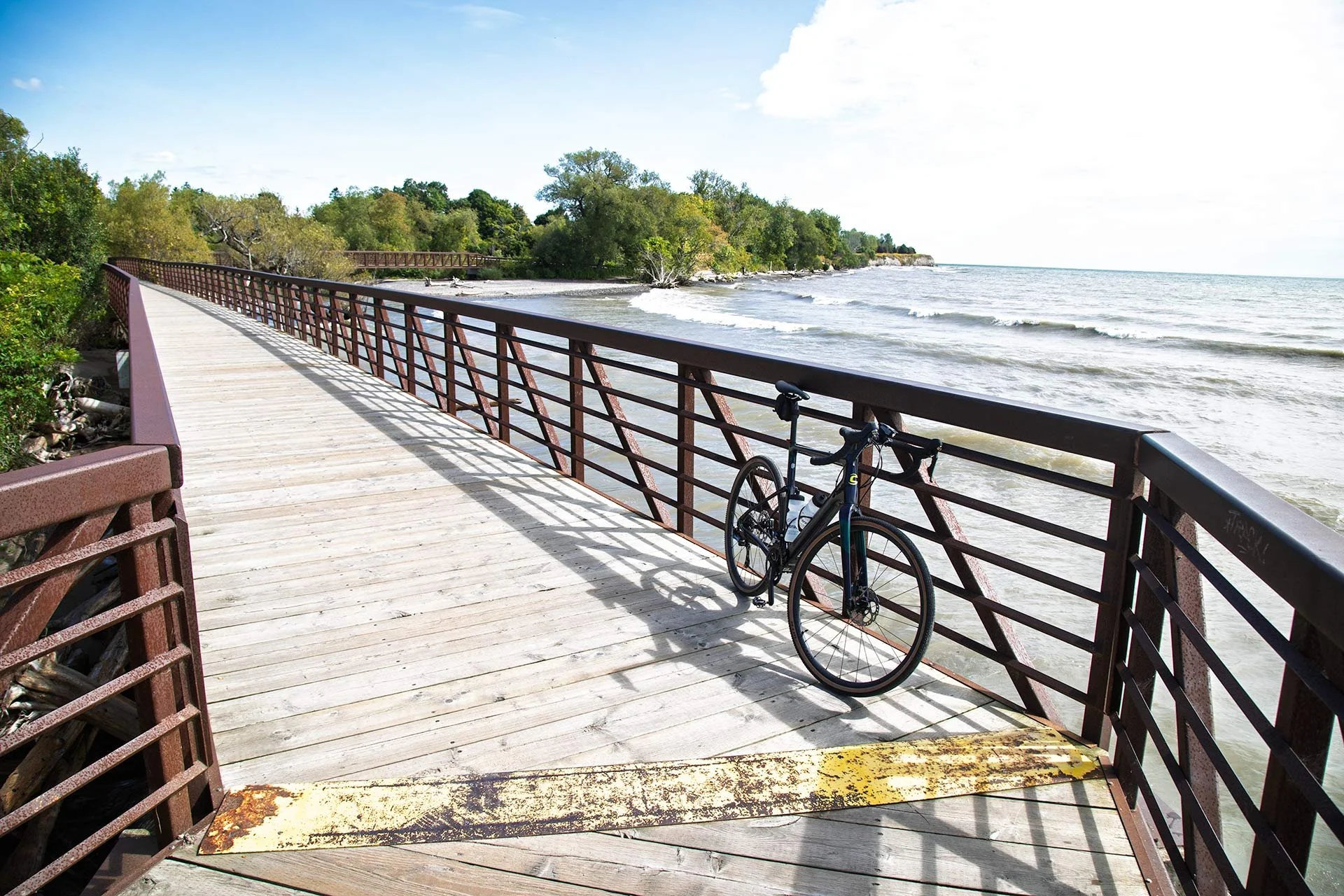

Ride a flat, 22.6 km South Etobicoke cycling route along Toronto's Lake Ontario waterfront trail. Connect Marie Curtis Park, Birds and Beans Café, Sanremo Bakery and Great Lakes Brewery using trail, bike lanes and quiet streets. Start car-free from Long Branch or Royal York GO Station, or grab a Toronto Bike Share bike right at the platform. Pick your start point and ride to a beach, a coffee shop, or a brewery patio.